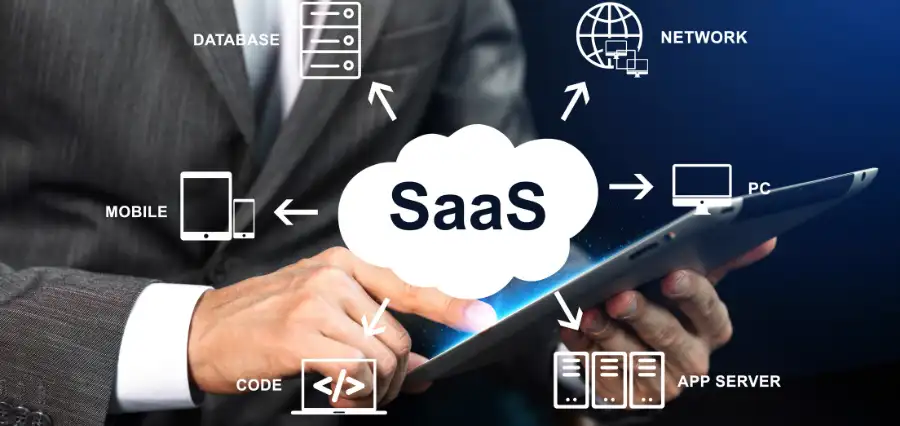
In the modern business landscape, Software as a Service, or SaaS, has emerged as one of the most popular and influential business models. Companies across industries rely on SaaS solutions to manage everything from customer relationships and accounting to marketing automation and human resources. Yet, despite its widespread adoption, many people still find the concept of a SaaS business model confusing. At its core, SaaS is a way for companies to deliver software over the internet on a subscription basis, rather than requiring users to purchase and install it on their own devices. This approach offers flexibility, scalability, and accessibility that traditional software models cannot match.
A SaaS business model fundamentally changes how software is created, sold, and consumed. Unlike conventional software, which is sold as a one-time product with periodic updates, SaaS products are hosted in the cloud and continuously maintained by the provider. Users access the software through a web browser or app, and the company earns revenue through subscriptions, often on a monthly or annual basis. This recurring revenue model allows SaaS companies to build predictable income streams while providing ongoing value to customers.
How SaaS Business Models Work
The SaaS model revolves around delivering software as a service rather than a product. In practice, this means that the software exists on the provider’s servers, and customers use it remotely. The provider handles maintenance, updates, and security, allowing users to focus on using the software rather than managing technical details. This setup has several advantages for both businesses and customers.
For the business, SaaS allows for predictable and recurring revenue, which is critical for long-term growth. Subscription-based billing means companies can forecast cash flow more reliably than with one-time software sales. Additionally, SaaS businesses can scale efficiently by adding new customers without incurring significant additional costs for distribution or installation. For customers, SaaS offers convenience and flexibility. Users can access the software from anywhere, on any device, and usually only pay for what they need.
Revenue Streams in SaaS
The primary revenue stream in a SaaS business model is subscription fees. Most SaaS companies offer tiered pricing based on features, user count, or usage levels. This tiered approach allows companies to cater to different customer segments, from small startups to large enterprises. Some SaaS products also offer free trials or freemium versions to attract users and convert them into paying customers over time.
Beyond subscriptions, SaaS businesses can generate revenue through add-on services, premium support, and usage-based pricing. For example, a customer relationship management (CRM) platform might charge extra for advanced analytics, additional storage, or API integrations. This flexibility in pricing and services enables SaaS companies to optimize revenue while meeting diverse customer needs.
Key Advantages of SaaS
One of the most significant advantages of the SaaS model is accessibility. Users no longer need to worry about installing complex software or managing updates. Everything is managed by the provider, and users can access the software from anywhere with an internet connection. This accessibility is particularly important in today’s remote and distributed work environments.
SaaS also promotes scalability. Businesses can add or remove users, upgrade features, or expand their usage as needed without significant infrastructure costs. For companies experiencing growth, this flexibility allows for seamless adaptation to changing requirements. Additionally, SaaS providers can continuously improve their products, delivering updates and enhancements without requiring customers to manually install patches or buy new versions.
From a business perspective, SaaS creates a closer relationship with customers. Since revenue depends on recurring subscriptions, providers are incentivized to focus on customer success and satisfaction. Happy customers are more likely to renew subscriptions and recommend the service, creating a sustainable cycle of growth.
Common SaaS Models
While the general concept of SaaS is straightforward, companies implement it in various ways. Some of the most common SaaS models include:
- Horizontal SaaS: These products serve a wide range of industries and businesses. Examples include productivity tools like email platforms, collaboration software, or accounting tools. Horizontal SaaS solutions appeal to a broad market and can scale across different sectors.
- Vertical SaaS: These products are designed for specific industries, such as healthcare, real estate, or logistics. Vertical SaaS addresses specialized needs and often includes industry-specific features and compliance tools. While the market may be smaller, vertical SaaS products often command higher pricing due to their specialized functionality.
- Freemium SaaS: Many SaaS companies offer a basic version of their software for free, with paid tiers that provide more features or higher usage limits. This model helps attract users quickly and provides an opportunity to convert free users into paying customers.
- Enterprise SaaS: These solutions are tailored for large organizations with complex requirements. Enterprise SaaS often involves custom integrations, dedicated support, and advanced security features. Contracts are typically longer and revenue per customer is higher compared to individual or small business subscriptions.
Challenges in SaaS Business Models
Despite the advantages, SaaS businesses face unique challenges. Customer retention is critical because recurring revenue depends on subscription renewals. High churn rates can quickly undermine growth, so companies must prioritize customer engagement and satisfaction. Providing reliable uptime, fast support, and continuous product improvements is essential.
Data security and privacy are also major concerns. Since SaaS platforms host sensitive information, they must invest heavily in cybersecurity measures, compliance with regulations, and transparent data handling practices. Any breach or lapse in security can damage reputation and erode trust.
Finally, SaaS companies must continuously innovate. Competition is intense, and customers have many alternatives. Staying ahead requires regular feature updates, responsiveness to market trends, and a deep understanding of customer needs.
The Role of Technology in SaaS
Cloud infrastructure and internet connectivity are foundational to SaaS. Without reliable cloud platforms, delivering software as a service would be impossible. Modern SaaS companies rely on technologies like cloud computing, APIs, and automation to ensure seamless performance and scalability. Additionally, analytics and artificial intelligence enhance SaaS offerings by providing actionable insights, personalized experiences, and intelligent automation.
Technology also enables SaaS providers to gather feedback, monitor usage, and adapt in real time. This constant cycle of improvement ensures that the software remains relevant, competitive, and valuable to customers.
Why SaaS Continues to Grow
The SaaS model continues to grow because it aligns with the needs of modern businesses and consumers. Organizations want flexible, cost-effective, and easy-to-use solutions that can scale with their operations. Employees and teams seek tools that improve productivity, collaboration, and decision-making without the burden of complex software management.
Additionally, the subscription model benefits both providers and users. Businesses gain predictable revenue and ongoing customer relationships, while users pay for what they need, reducing upfront costs and financial risk. As cloud technology becomes more robust and global internet access expands, SaaS adoption is expected to accelerate even further.
Conclusion
Understanding SaaS business models is essential for anyone navigating today’s digital economy. At its core, SaaS provides software over the internet on a subscription basis, offering flexibility, accessibility, and scalability for both providers and customers. By combining technology, recurring revenue models, and a focus on customer success, SaaS companies have created a sustainable and rapidly growing business model.
While SaaS offers numerous advantages, including convenience, scalability, and continuous improvement, it also presents challenges such as customer retention, data security, and intense competition. Successful SaaS businesses balance innovation with reliability, ensuring that their products meet evolving customer needs while maintaining trust and quality.
As the business world continues to shift toward cloud-based, subscription-driven solutions, SaaS stands out as a model that is not only transformative but also sustainable. Companies that understand and effectively implement SaaS strategies are well-positioned to thrive in an increasingly digital, connected, and competitive global m