Introduction
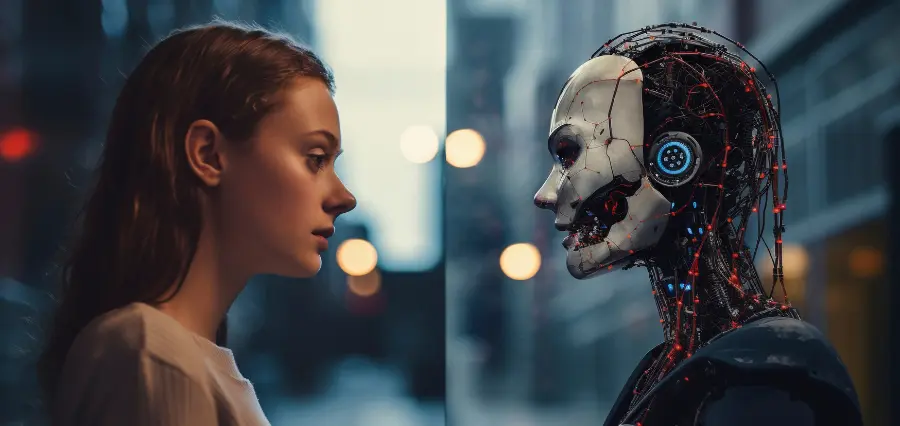
Creativity has always been one of the most valuable human abilities. It drives innovation, storytelling, design, and problem-solving. As Artificial Intelligence, or AI, becomes more advanced, many people wonder whether machines can truly be creative—or if they will replace human creativity altogether.
This question has sparked debate across industries, especially in business, media, and art. The reality is not about competition, but about understanding the role of both. This article explores the differences between AI and human creativity, how they work together, and why human creativity still matters deeply.
What Human Creativity Really Means
Human creativity comes from experience, emotion, curiosity, and imagination. It is shaped by personal stories, cultural background, and life lessons.
People create not only to solve problems, but also to express feelings, ideas, and identity. Creativity often comes from uncertainty, mistakes, and inspiration—things that cannot be planned or programmed.
This emotional depth is what gives human creativity its meaning.
What AI Can and Cannot Do Creatively
AI can generate content, images, music, and ideas by analyzing patterns from existing data. It works by learning from what already exists and producing variations based on that information.
AI can be fast, consistent, and helpful. However, it does not feel emotions, understand context deeply, or experience life. Its output is based on logic and data, not personal understanding.
AI imitates creativity—it does not experience it.
Key Differences Between AI and Human Creativity
The difference lies in the source. Human creativity begins with intention and emotion. AI creativity begins with data and instruction.
Humans can break rules instinctively, challenge norms, and create meaning from abstract ideas. AI follows patterns and rules, even when creating something new.
Both are powerful, but they are not the same.
How AI Supports Human Creativity
Rather than replacing creativity, AI often supports it. By handling repetitive or time-consuming tasks, AI gives people more space to think creatively.
Writers can focus on ideas, designers on vision, and leaders on strategy. AI becomes a tool that enhances creativity rather than limiting it.
This partnership allows creative work to evolve faster and more efficiently.
Creativity in Business and Leadership
In business, creativity is not only about art or design. It is about solving problems, building strategies, and connecting with people.
Human creativity helps leaders understand emotions, culture, and timing. AI helps by offering insights and options. Together, they create stronger decisions and more meaningful outcomes.
Creative leadership depends on human judgment supported by intelligent tools.
Benefits of Combining AI and Human Creativity
When used together, AI and human creativity offer clear advantages:
- Faster idea development
- Improved efficiency
- More space for innovation
- Stronger problem-solving
- Better use of human talent
The combination allows people to focus on what they do best—thinking creatively.
Common Fears About AI and Creativity
Many fear that AI will replace artists, writers, or creative thinkers. This fear often comes from misunderstanding AI’s role.
AI can produce content, but it cannot understand why something matters. It cannot feel connection, purpose, or passion. These qualities belong to humans.
Creative industries still rely on human vision and authenticity.
Why Human Creativity Will Always Matter
Human creativity brings originality, emotion, and meaning. It reflects values, beliefs, and cultural identity.
In storytelling, branding, leadership, and art, people connect with people—not machines. Authentic creativity builds trust and emotional connection.
This human element cannot be replaced by automation.
Advantages of Embracing AI Without Losing Creativity
Businesses and individuals who embrace AI wisely gain an advantage. They work faster without losing originality. They experiment without losing authenticity.
The key is balance. AI should assist creativity, not control it.
Conclusion
AI and human creativity are not opponents. They serve different roles and work best together. AI offers speed and support. Human creativity offers meaning, emotion, and vision.
The future belongs to those who understand this balance—using AI as a tool while protecting and celebrating human imagination.
Creativity remains human at its core. AI simply helps it go further.