Introduction
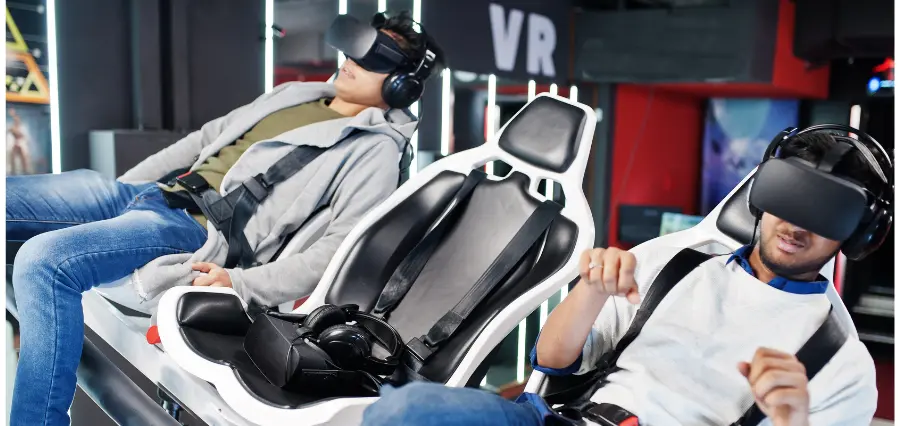
For many years, Augmented Reality (AR) and Virtual Reality (VR) were mostly linked to gaming and entertainment. While these industries helped popularize the technology, AR and VR have now moved far beyond games. Businesses across different sectors are using these tools to improve communication, training, planning, and customer engagement.
AR and VR help businesses explain ideas better, reduce risk, and create stronger experiences. For leaders, these technologies are becoming practical tools rather than experimental ideas.
This article explores how AR and VR are being used in business and why they matter beyond gaming.
Understanding AR and VR in Simple Terms
Augmented Reality adds digital information to the real world, often through a mobile device.
Virtual Reality creates a fully digital environment where people can experience situations as if they were real.
Both focus on experience and understanding rather than entertainment alone.
Training and Skill Development
One of the most common business uses of AR and VR is training. Employees can practice tasks, learn processes, and improve skills in a safe environment.
This is especially helpful in roles that require precision or decision-making under pressure. Learning through experience improves confidence and reduces errors.
Better training leads to stronger performance.
Improving Customer Experience
Businesses are using AR and VR to help customers understand products and services more clearly. Customers can explore features, try options virtually, and make informed decisions.
This reduces hesitation and increases trust. When customers feel confident, satisfaction improves.
Clear experience builds loyalty.
Supporting Product Design and Planning
AR and VR help teams visualize products and spaces before they are built. Designers and decision-makers can review ideas early and make changes without high costs.
This improves collaboration and reduces wasted effort.
Visual planning saves time and money.
Enhancing Remote Collaboration
With remote work becoming common, AR and VR provide new ways to collaborate. Teams can meet in shared virtual spaces and work together more naturally.
This improves communication and engagement across locations.
Connection improves productivity.
Strengthening Marketing and Storytelling
Brands use AR and VR to tell stories in more immersive ways. Customers can experience brand values and journeys instead of reading about them.
This creates emotional connections and memorable impressions.
Experience drives attention.
Benefits of AR/VR for Businesses
Using AR and VR offers several advantages:
- Better understanding of complex ideas
- Reduced training and planning risks
- Stronger customer engagement
- Improved collaboration
- Memorable brand experiences
These benefits support growth and innovation.
Starting Small and Using AR/VR Wisely
Businesses do not need to adopt AR and VR on a large scale immediately. Small, focused use cases often deliver strong results.
The goal should always be solving problems, not following trends.
Practical use creates real value.
Why Business Leaders Should Care
AR and VR are becoming more accessible and useful. Leaders who explore these tools early gain an advantage in communication and planning.
Ignoring these technologies may limit future opportunities.
Awareness leads to readiness.
Conclusion
AR and VR have moved beyond gaming into real business use. They help companies train better, communicate clearly, and engage customers more deeply.
When used thoughtfully, AR and VR become powerful tools for growth and decision-making. Businesses that embrace experiential technology today will be better prepared for tomorrow.