
How to Lose Belly Fat & Keep It Off
Everything you need to know about losing belly fat explained. Why belly fat matters (more than aesthetics), why targeted exercises don’t work, and how to create a sustainable plan for keeping it off.
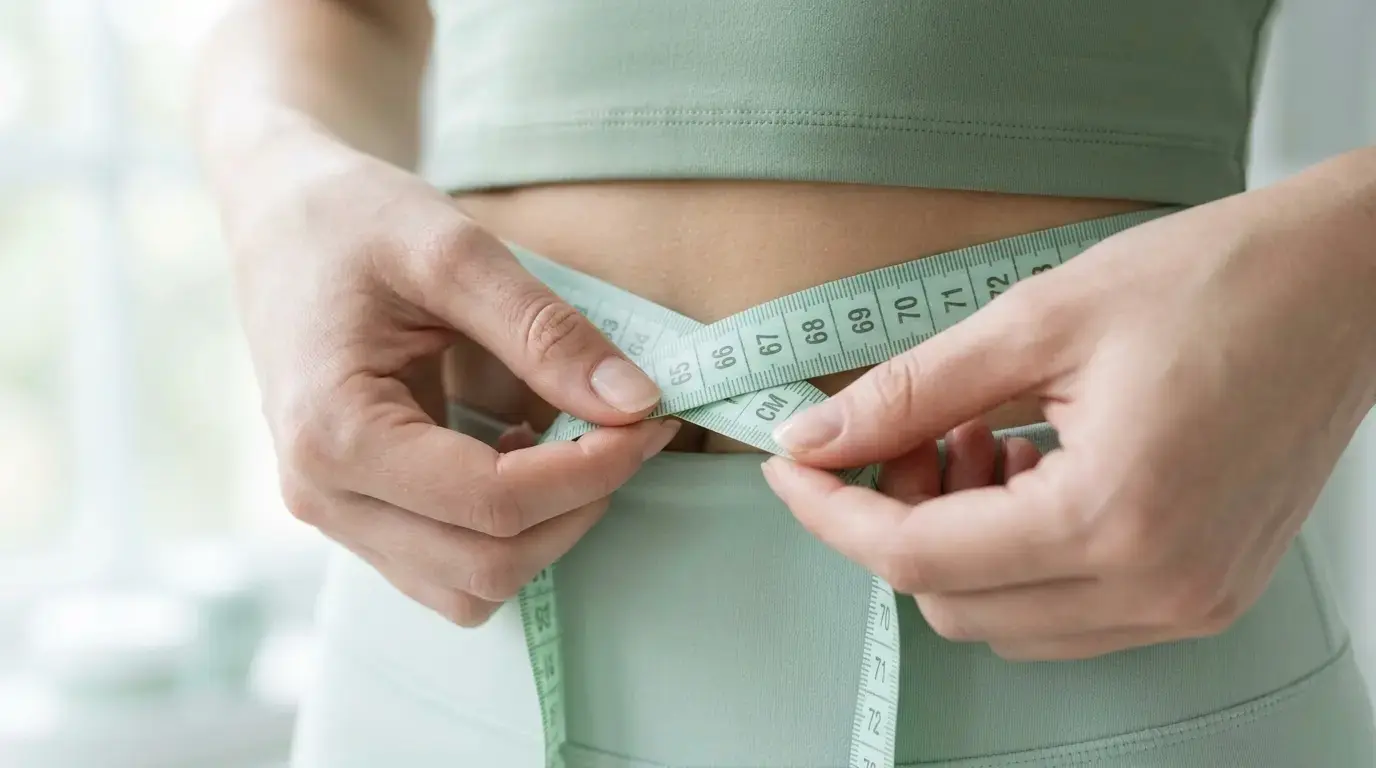
Losing belly fat is by far the most popular body composition issue searched in the health and fitness sphere. Along with massive popularity comes plenty of misinformation. Ridiculous promises like “Lose Belly Fat in 3 Days” accompanied by an insanely restrictive or short-term diet plan. Targeted ab exercises guaranteed to burn your belly fat. Dangerous supplements that prey on insecurities about belly fat while providing zero results.
This guide isn’t going to offer quick fixes, flawed cardio routines, or supplement recommendations. Instead, we’re going to dig into how belly fat actually works physiologically, the reasons why you might be struggling to lose it, and what the science says will actually produce results.
Disclaimer: This is part of a series of overweight/obesity-reply exercise guides created to provide thorough, evidence-based information for people who want to dig into the research behind how to lose weight and keep it off. This isn’t designed to be a surface-level quick start, and reading it all will take some time. But if you’re here to learn, you’ll learn. Let’s jump in.
Anatomy of Belly Fat: The Two Types Explained
Contrary to popular belief, not all belly fat is created equal. Understanding the different types of belly fat alters both why you should care about losing it and how you can go about losing it effectively.
Subcutaneous Fat
This is the fat that you can physically grab with your hands. It’s stored underneath your skin, and if you’ve ever tried to suck in your gut to take a photo or fit into an outfit you want to wear, you’re targeting subcutaneous fat. When people refer to “looking fat” they’re usually referring to excessive subcutaneous fat.
Subcutaneous fat is mostly harmless from a health standpoint. It’s just excess energy stored beneath your skin.
Visceral Fat
Visceral fat, on the other hand, is stored in your abdominal cavity around your organs (liver, pancreas, intestines, stomach, etc.). You can’t grab visceral fat with your hand. It contributes to “looking” fat in that it produces a beer gut or pregnant belly, but it also has far more severe health implications than subcutaneous fat.
Visceral fat surrounds your organs and is metabolically active, meaning it behaves like an organ itself. It produces inflammatory compounds, makes you more resistant to insulin, and is associated with type 2 diabetes, heart disease, cancer, and metabolic syndrome when present in excess.
The distinction matters because the health risks associated with belly fat are referring to visceral fat, not subcutaneous fat. Esthetically, most people want to lose subcutaneous fat. However, the majority of exercise routines and diets that reduce visceral fat will also reduce subcutaneous fat.
(I’ve personally seen incredible reductions in visceral fat without much impact on subcutaneous fat in people who only do calisthenics bodyweight exercises. But those folks are pretty rare).
Tip: When people say “diet and exercise don’t target belly fat”, they’re usually referring to visceral fat exclusively.
Why Spot Reduction Doesn’t Work
Ab exercises don’t burn belly fat. They build the muscles underneath it.
If you could simply burn belly fat by doing crunches, everyone would look like they went to college for football. Abdominal exercises don’t “target” the fat surrounding them like many people believe.
Fat isn’t burned from a specific area just because the muscles underneath are being worked. So while doing endless crunches may give you a six-pack underneath, it won’t burn the fat that’s covering those muscles.
Fat is distributed throughout your body in deposits. When you create a calorie deficit through diet and exercise, your body will burn fat from these stores throughout your body. It doesn’t specifically target your abdominal fat deposit unless you happen to burn enough calories that your body reaches that deposit.
A calorie deficit is required to lose weight. When you’re in a calorie deficit, your body needs to get calories from somewhere. To meet its energy requirements, it will burn fat from your fat stores. Pretty simple.
Unfortunately, the problem with telling people this is that they assume they can JUST do crunches and not worry about diet. Or they get disappointed that doing hundreds of crunches every day doesn’t burn the fat off.
You have no control over where your body burns fat from. But if you eat in a calorie deficit and exercise, your body WILL burn fat. It just might not come from your belly.
Creating a calorie deficit is a necessary component of fat loss. However, diet and exercise alone won’t guarantee where you lose fat from. Genetics, hormones, and other physiological factors will determine where your body burns fat first.
As a general rule of thumb though, abdominal fat is one of the LAST places your body will burn fat from. Meaning no matter how many crunches you do, if you have excess fat on your body, your belly is likely where it stays until you’ve lost fat everywhere else.
The Calorie Deficit Equation
Eat fewer calories than your body needs to maintain its current weight, and you will lose weight.
There’s no magic diet, exercise plan, or supplement that completely bypasses this fact. You can certainly employ strategies to enhance your results, but at the end of the day this is how weight loss works.
How Large of a Calorie Deficit Should I Aim For?
Studies have shown that a calorie deficit between 300–500 calories per day is ideal for weight loss. It’s large enough that you’ll lose weight each week, but small enough that you won’t cause too many negative side effects.
Create a larger deficit than this and you’ll still lose weight, but you’ll likely lose lean muscle mass at a high rate. Your metabolism will slow down due to having less body mass (muscle and fat). And you probably won’t have enough energy to properly fuel your workouts.
The most sustainable calorie deficit for the average person is between 300–500 calories per day.
How Do I Create a Calorie Deficit?
There are two ways to do this:
● Cut calories from your diet.
● Burn calories through exercise.
Doing both is ideal and will lead to the best results.
Eating Protein in a Calorie Deficit
I want to touch on protein consumption while in a calorie deficit. It’s the single most important thing you can do to preserve muscle mass while losing weight.
Protein should make up the majority of your calorie deficit. A higher protein diet has been shown to:
● Preserve muscle mass
● Increase feelings of fullness
● It takes more energy for your body to process protein than carbs or fat. So by eating more protein, you’re effectively eating less calories.
Your protein intake should be around .7–.85g per pound of body weight. If you’re losing weight and aren’t hitting that number, eat more protein.
Don’t just add protein on top of what you’re already eating. Replace high carb/fat foods with protein.
Other Dietary Considerations for Losing Belly Fat
If you’ve read any of my other guides you know I’m not a huge believer in “specialized diets” for fat loss. When it comes to losing weight, calories in vs calories out is 95% of the battle.
However, there are certain diets that have shown to be more effective at reducing visceral belly fat than others.
Reduce Added Sugar & Refined Carbs
Studies have shown that diets high in added sugar (especially fructose) lead to an increase in visceral fat.
There’s also evidence that diets high in refined carbohydrates cause belly fat accumulation.
Make sure you’re eating an adequate amount of fiber every day. Studies show that diets high in fiber can help reduce belly fat.
Limit Alcohol Consumption
Alcohol has been shown to significantly increase visceral fat deposition.
Limit your intake if you’re looking to lose belly fat.
Follow a Mediterranean or Anti-Inflammatory Diet
The Mediterranean diet specifically has been shown to help reduce belly fat.
Other diets that follow an anti-inflammatory eating pattern have also been linked to reductions in belly fat.
Effective Exercise Strategies
The exercises you choose to do matter less than how much and how often you’re doing them. However, combining cardio and resistance training will produce the best results.
● Mix up your cardio routine with both moderate intensity steady-state and high-intensity interval training.
● Complete at least 2–3 resistance training workouts per week.
● Do exercises that target your core.
● Incorporate exercises like planks and side planks into your routine.
Again, you won’t spot reduce belly fat by doing crunches, but once you’ve lost enough fat, you’ll want to have the muscles to show.
Sleep
Sleep deprivation is tightly linked to visceral fat accumulation.
When you don’t get enough sleep, your body produces more of the hunger hormone ghrelin. This makes you feel hungrier and can cause you to consume more calories than you normally would.
Your body also produces less of the hormones that help you burn fat when you don’t get enough sleep.
Reduce Stress
Stress causes your body to produce more cortisol. High levels of cortisol have been linked to increased fat storage around your midsection.
There are many effective strategies for reducing stress. Two of the most effective are meditation and exercise.
Key Takeaways
If you’ve made it this far, congrats on making it through what is essentially a belly fat loss wiki.
If you’re serious about losing belly fat, keep these strategies in mind:
● Create a moderate calorie deficit by eating fewer calories and exercising.
● Eat plenty of protein while in a calorie deficit.
● Reduce your sugar and carb intake.
● Get at least 7–9 hours of sleep per night.
● Limit how much alcohol you’re drinking.
● Reduce the amount of stress in your life.
● Follow an anti-inflammatory diet like the Mediterranean diet.