
Businesses Guide to Understanding the Basics of Data Analytics
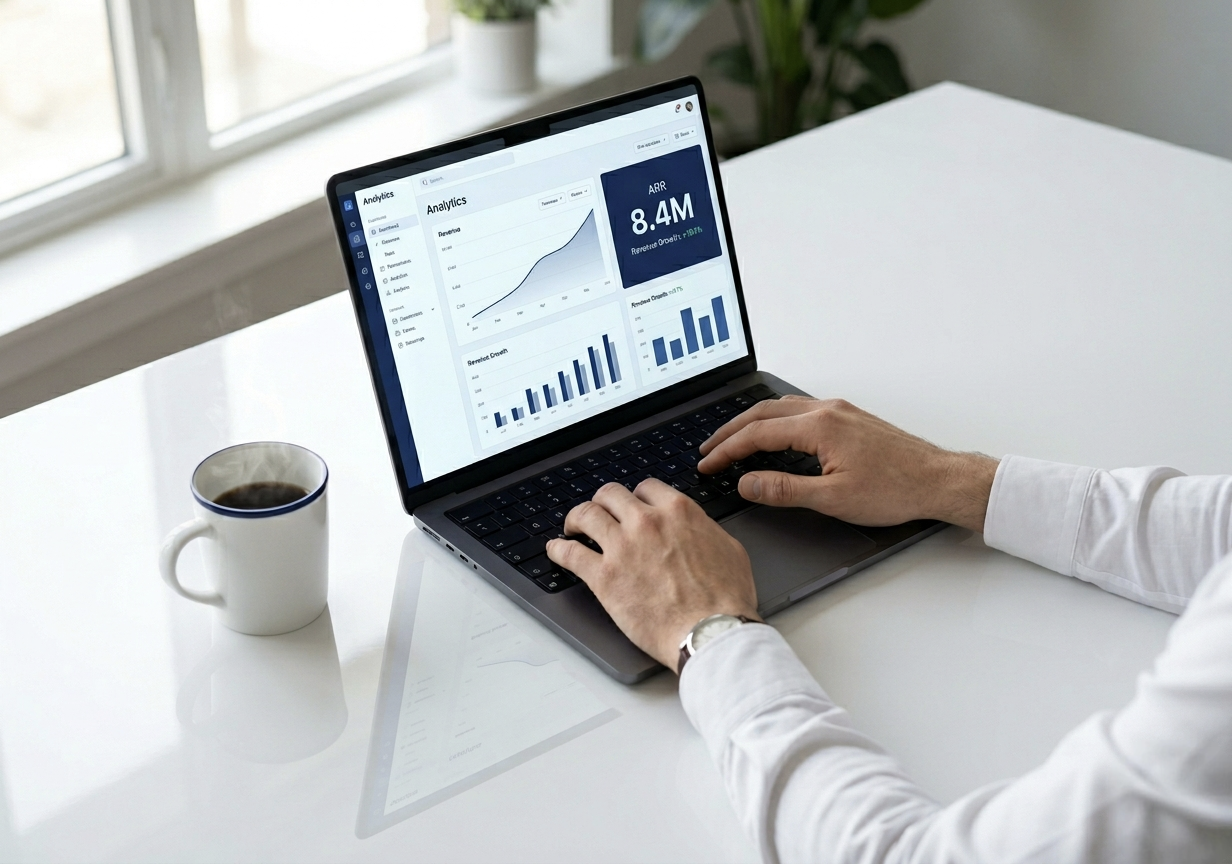
A simple, practical guide for businesses to understand the basics of data analytics, how it works, and how it can improve decision-making, performance tracking, and overall growth.
Data has become one of the most important assets for any company operating in today's competitive business environment. Everything we do online and offline generates information that can be captured and analyzed to improve decision-making, efficiency, and grow your business. But how can you learn from your data? The answer is simple – through data analytics. While analytics may sound intimidating and complicated, the basic principles can be applied by any company, regardless of size. Before you think you need to hire an entire data science team or invest in expensive tools and technology, understand that analytics is used by small and medium-sized businesses every day. By analyzing information about your customers and how they interact with your business, you gain the advantage of knowing exactly what you need to do to improve your marketing strategies and outperform your competitors. So what is data analytics and how can it benefit your business? Let's find out!
1. Basics of Data Analytics
Data analytics is the process of analyzing raw data to find trends and statistics that help your business make better decisions. With so much data already available to businesses, you don't want to go through it all blindly. Data analytics allows you to turn information into actionable insight.
Whether you run a local shop or an e-commerce store with global customers, you're collecting data when you make a sale. When you go through your daily sales report and realize that a particular product sold more than others, you're using data analytics.
You can use data analytics to track website visitors and determine when and where people are leaving your site. If you want to boost your conversions, this is the information you need. Understanding where your traffic is coming from will also allow you to optimize your ad spending.
There are many different types of data analytics that we'll cover shortly. For now, just know that whenever you review data to gather useful information, you're doing data analytics.
2. Different Types of Data Analytics
As mentioned above, there are several different types of data analytics. In some cases, you might need to employ different types of analytics to get a better understanding. Below are four of the main types of data analytics.
Descriptive Analytics: Descriptive analytics answers the question "what has happened?" By reviewing past data you can determine trends and patterns. Quarterly sales reports and website traffic are examples of descriptive analytics.
Diagnostic Analytics: Diagnostic analytics tries to answer the question "why did it happen?" By analyzing diagnostic information you can figure out relationships and patterns between past events.
Predictive Analytics: Predictive analytics uses historical data to determine what is likely to happen in the future. You can predict customer demand, how many products you will need to keep in stock, or how much you'll sell in the next quarter. Sales trends are an example of predictive analytics.
Prescriptive Analytics: Prescriptive analytics are recommendations on what should be done. Using a combination of data gathered from descriptive, diagnostic, and predictive analytics, you can be advised on what pricing model or marketing campaign will be most effective.
3. Why Should Your Business Care About Data?
If you're still not convinced that data analytics is important, consider this; every decision you make should be data-driven. Guessing and using your "gut" to make decisions will only lead to failure. By leveraging the power of data, you can identify opportunities and make better-informed decisions that will propel your business forward.
Reduce Risk: Making decisions based on assumptions is risky. Not only will you find yourself wrong more often than not, when you do decide to look at your data you may realize your business is headed in the wrong direction. Data helps you identify opportunities and minimize risks before they become larger problems.
Improve Decision Making: Data doesn't lie, so let the numbers make your decisions for you. Predictive analytics can allow you to anticipate trends before they happen. With this knowledge at your disposal, you can plan ahead and take advantage of opportunities others might miss.
Increase Efficiency: By analyzing data you'll be able to identify inefficiencies in your supply chain. Figuring out where things are getting bogged down, you can increase productivity and decrease expenses.
Boost Customer Experience: Using data to your advantage can help you identify what your customers want. By better understanding your customers, you can make their lives easier which will lead to customer loyalty and repeat business.
4. Tools & Technologies for Data Analytics
There are countless tools and technologies that can be used for data analytics. If you only plan on doing basic reporting and analysis, you can use tools like Microsoft Excel. There are also software programs like Microsoft Power BI and Google Data Studio that allows you to do more complex analysis and visualize your data. As technology advances, more cloud-based analytics platforms will become available.
5. Benefits and Drawbacks of Cloud-Based Analytics Platforms
Using cloud-based software allows you to access your data from anywhere with an internet connection. Team members can collaborate in real-time and share information instantly. With a cloud-based system, you can easily scale your usage up or down depending on your needs.
However, just because something is run via the cloud doesn't make it 100% secure. Anyone who can get hands on your data can manipulate it. You want to make sure that your data is being stored in a secure environment that isn't susceptible to hackers.
6. Using Machine Learning (ML) & AI
Machine learning and Artificial Intelligence are starting to be used for data analysis. Machine learning allows computer programs to automatically detect anomalies and make predictions without being explicitly programmed to do so.
Here are some real-life examples of how analytics is put to good use:
Increase in Direct Sales: A retailer wanted to increase direct sales, so they analyzed data about their customers' buying habits. After doing so, they were able to create a segmentation model that would allow them to target high-value customers with personalized advertisements.
Increase in Ecommerce Conversions: An e-commerce website was experiencing high cart abandonment rates. They analyzed user behavior data and implemented changes that led to massive increases in conversions.
Improving Patient Care: Hospital staff were using data to monitor patient care and improve the treatment they provide.
Tracking Compliance: Oil and gas companies were analyzing data to ensure they were following safety standards.
Improving Education: Colleges were able to identify at-risk students by analyzing data.
Predicting Maintenance: Wind turbine companies used data analytics to predict when maintenance was required.
Conclusion
As you can see, data analytics is used in just about every industry. If you're not using data to your advantage, you can be certain your competitors are. Data allows you to identify trends and make educated decisions that will one day help you understand the basics of data analytics.