
How to Raise Your Credit Score in 90 Days
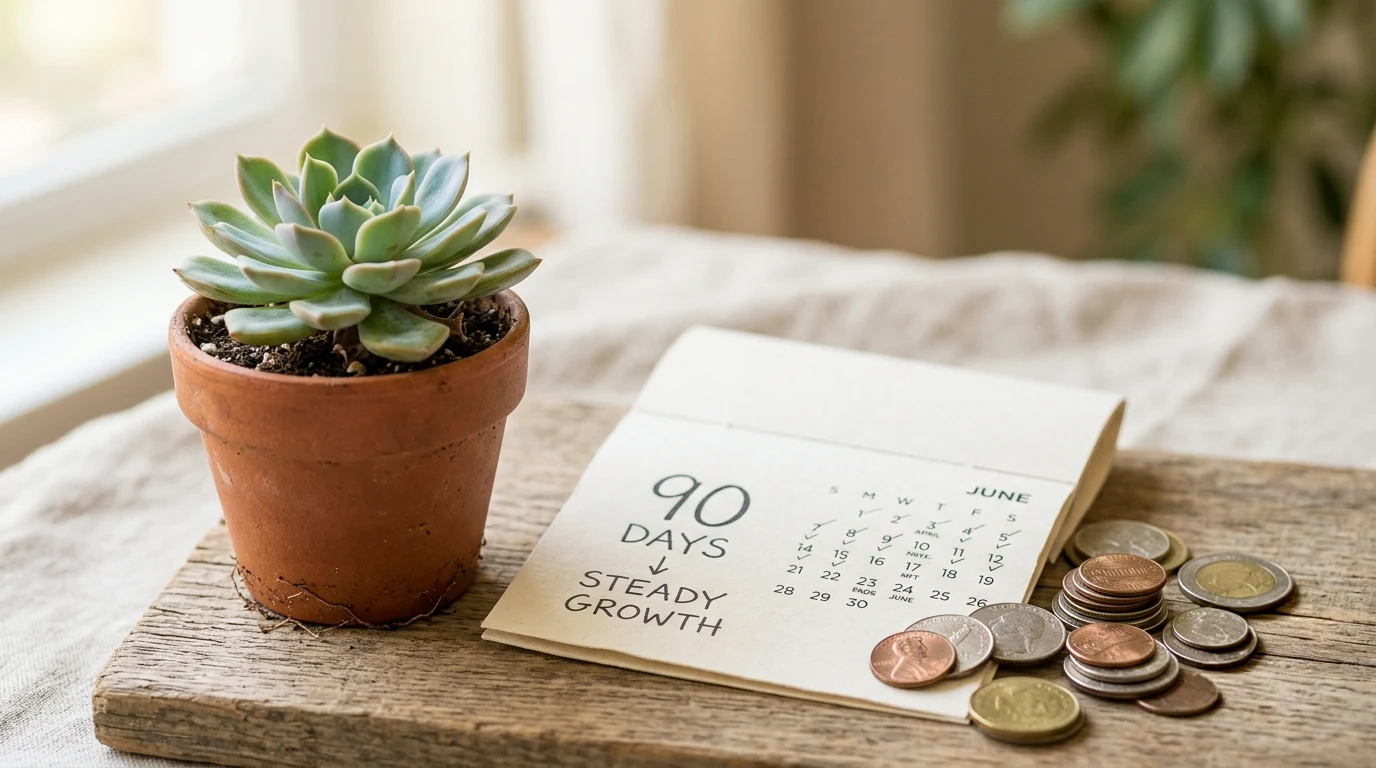
Building a great credit score takes time, but did you know that specific actions can improve your score in as little as 60 to 90 days? Here’s how.
Building a great credit score takes time, but did you know that specific actions can improve your score in as little as 60 to 90 days? Here’s how.
Understanding How Your Credit Score Works
Payment History (35%)
Do you pay your bills on time?
Credit Utilization (30%)
How much of your available credit are you using?
Length of Credit History (15%)
How long have your accounts been opened?
Credit Mix (10%)
Do you have a variety of credit types?
New Credit Inquiries (10%)
How many new accounts have you opened recently?
Focus on improving your payment history and reducing your credit utilization first, as these two factors can be improved fairly quickly.
Week 1–2: Get Your Credit Reports and Review for Errors
Pull your free credit reports from each of the three major credit bureaus. You are entitled to one free report from each bureau per year at AnnualCreditReport.com. Carefully review each report for the following:
• Accounts you don’t recognize (sign of fraud or identity theft)
• Incorrect late payments
• Accounts you’ve closed but are shown as open
• Incorrect balances or credit limits
Credit report errors are surprisingly common. If you spot an error, dispute it with the credit bureau directly in writing and attach any documentation you have. Correcting an error can have an immediate impact on your credit score because negative items are brought down once they’re removed, rather than gradually improving as you make your payments on time.
Week 2–4: Lower Your Credit Utilization
Credit utilization is the percentage of available credit you’re using at the moment. Keep utilization under 30%, if possible, but know that if you want to see the biggest impact on your score, you should shoot to get your utilization under 10%.
Ways to Improve Credit Utilization Quickly
Pay down balances before your statement closing date. Your account balance is usually reported to credit bureaus at your statement closing date, not your payment due date. Check with your card issuer if you’re unsure of which date.
Request a credit line increase on cards you currently have. If your issuer allows for a "soft pull" credit check when increasing your line of credit, you can get a higher spending limit without it impacting your credit score. (A hard credit pull means they check your credit score as part of their approval process.)
Open balances across all your cards. Your credit score also factors in how much of each individual line of credit you’re using, not just your total utilization across all accounts.
Make multiple payments each month. Instead of paying your balance once at the end of the month, consider making multiple payments to keep your monthly statement balances low.
Week 3–6: Prevent Future Late Payments
Automate payments for at least the minimum payment on all of your accounts. Better yet, automate alerts so you know when a bill is due. You should always pay more than the minimum due, but by automating, you’ll ensure that you don’t miss a payment. One late payment can stay on your credit report for up to seven years and hurt your credit score every year!
If this was a one-time occurrence and your credit report was previously clean, some card issuers will remove the late payment if you call and ask. This is known as a goodwill adjustment. While your lender isn’t required to take your past mistake off your credit report, many will for established customers.
Week 4–8: Avoid Applying for New Credit
Hard inquiries into your credit history will decrease your credit score by a few points each. While this characteristically has a small impact on your score, you should avoid applying for new credit cards or lines of credit during your 90-day period. Multiple credit inquiries in a short period of time can compound the negative impact on your credit score.
Week 6–10: Become an Authorized User
Having a lengthy credit card history with on-time payments and low credit utilization is great for your credit score. If someone you trust (a parent or sibling) has this type of credit history, ask if you can be added to their account as an authorized user. Keep in mind this method can backfire if that person starts making late payments on that account, so only choose someone who has always been responsible with their credit.
Week 8–12: Keep Old Credit Accounts Open
If you have an old credit card you don’t use often, avoid closing that account. Closing an old account can hurt your score because it will increase your credit utilization on your other cards and decrease the average age of your accounts. If the card has an annual fee that you can’t get rid of, consider skipping payments that year. An open account with a $0 balance looks better than a closed account.
What Won’t Improve Your Credit Score in 90 Days
Unfortunately, there are certain things that can’t be improved within 90 days:
• Negative items won’t be removed.
• Credit repair companies can’t fix everything.
• Closing unused cards won’t help.
Realistic Credit Score Improvement Expectations
If you follow this timeline and improve each of these categories, you can expect to see an increase in your credit score within 90 days. Depending on where you start, your credit score can increase from 20–100+ points! Those who see the biggest changes typically have incorrect information on their credit report, extremely high credit utilization (that they can lower), or a single late payment that they’re able to get removed through a goodwill adjustment.
How to Maintain a High Credit Score
After you’ve raised your score, remember to maintain these habits:
• Pay your bills on time
• Keep your credit utilization low
• Don’t open too many new accounts at once
• Check your credit report annually
• Use your old credit cards every once in a while
Frequently Asked Questions About Credit Scores
Does Checking My Credit Score Hurt My Credit?
Checking your own credit score is considered a soft inquiry. It has no effect on your credit score and you can check your score as often as you want without damaging your score.
How Long Do Late Payments Stay on Your Credit Report?
Late payments can stay on your report for seven years from the original missed payment date. The longer a late payment sits on your credit report, the less impact it will have on your score especially if you make consistent, on-time payments after that late payment.
Will Paying Off Collections Remove Them From My Credit Report?
Paying off a collection account will not make it disappear. It will update the status to "paid," but it could still hurt your credit score. Some collection agencies even offer "pay for delete" options, which means you pay off the collection in return for them removing the item from your credit report. Pay for deletes aren’t guaranteed and many creditors choose not to honor the agreement.
Should I Pay Off the Highest Credit Card Balances First?
The majority of your credit score is based on your credit utilization rate. Your credit utilization is calculated by dividing your total credit card balances by your total credit card limits. Improving the card(s) with the highest utilization will help you lower your overall credit utilization faster.
Conclusion
Building a better credit score doesn't happen overnight, but following these proven steps over 90 days can lead to meaningful improvements. Focus on paying bills on time, lowering your credit utilization, avoiding unnecessary credit applications, and maintaining healthy credit habits. With consistency and patience, you could see your credit score improve by 20 to 100+ points, depending on your starting situation.