
7 Psychological Triggers That Make People Buy (2026 Marketer's Guide)
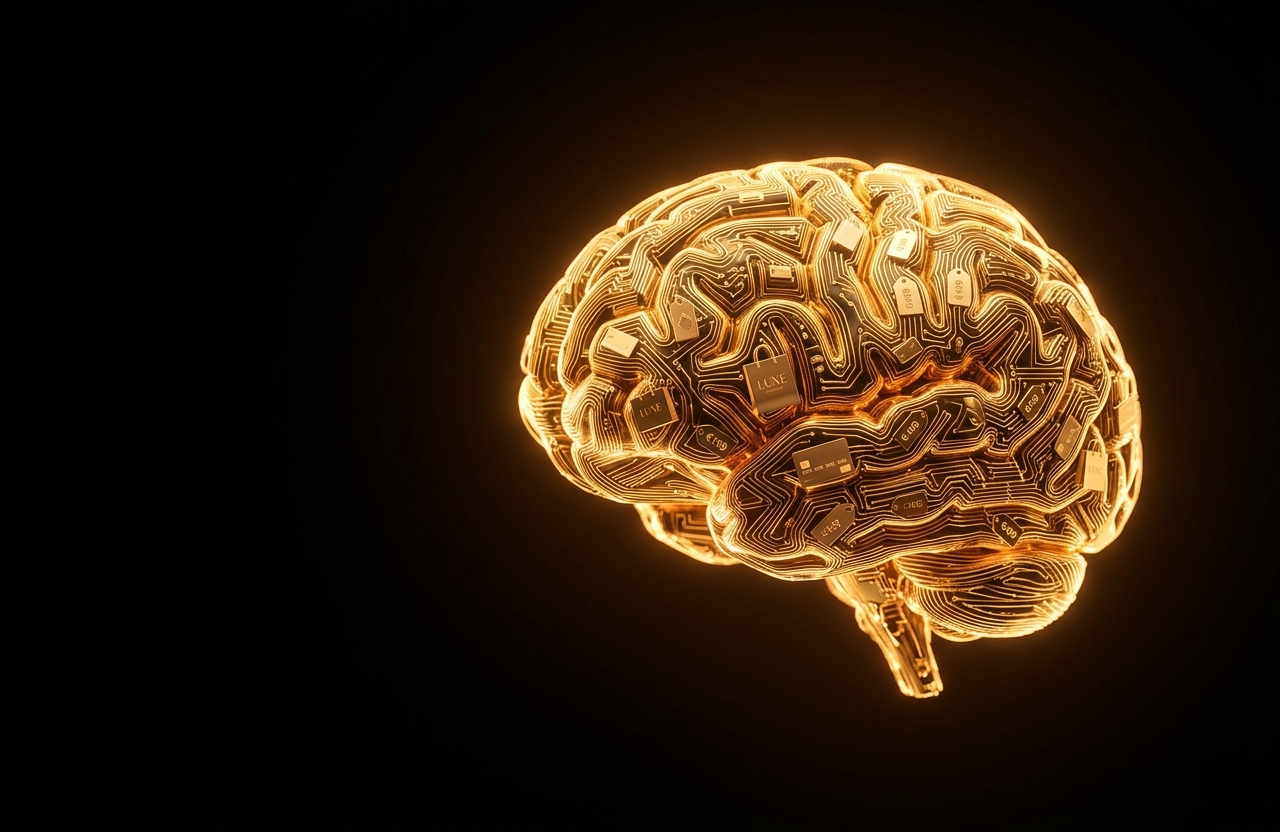
People like to think they make informed purchasing decisions. They don't. Here are the seven cognitive shortcuts that drive almost every buy.
Believe it or not, people like to think they make informed purchasing decisions. We sit down at our computers, research for hours, and calmly weigh the pros and cons before we buy something. Yeah… didn't think so. Real-life buying behavior is wildly irrational. Most purchasing decisions are automatic, emotional, and influenced by mental shortcuts in marketing - cognitive biases our brains use to cope with information overload. Luckily for marketers, we can align our messaging with these shortcuts to create powerful psychological triggers in marketing. When you understand buyer psychology and how the psychology of buying works, you'll have a massive advantage selling anything.
1. Price Is Often Associated With Quality (Price-Quality Perception)
Turquoise jewelry was selling poorly at one store in Arizona. The owner realized he set the prices too low… so he doubled them. Sales tripled.
If you've ever shopped with kids, you've seen the "more expensive = better quality" rule in action - a classic example of anchoring bias in marketing.
Most people are busy filling their days with important things. They don't have time to meticulously research the cereal they eat or the roofing shingles they buy. Price becomes a heuristic - a mental shortcut they rely on.
Raise your prices if you need to, but position your offering so people perceive it as valuable. Many buyers will take the price cue and assume you're better than lower-priced competitors.
2. The Contrast Principle Alters Perceived Value
You know how you always feel "average" until you talk to idiots? Well, the contrast principle in sales works the same way.
See a $1,000 suit and you think the $200 sweater is a great deal. See a piece of trash and suddenly your average house looks like a palace. This is the anchoring effect in pricing at work.
Car dealerships negotiate the sticker price first, then upsell on "dealer accessories." Purposefully create contrast with your offers. Lead with your best offer so the option you want them to accept is seen as the obvious middle ground.
3. Reciprocity Makes Us Want to Return Favors
Receive a free sample at a grocery store and you'll feel eager to buy. Get hooked into joining an email list with a lead magnet, and you'll want to reciprocate by giving that company your money and attention. This is the reciprocity principle in marketing in action.
It's why door-to-door vacuum sellers are so pushy. They give you something for free and you feel rude not buying something.
Give your prospect something worthy of value first. Throw your prospects a bone and let them eat you up. If you provide genuine value, people will reciprocate that kindness by purchasing from you - one of the oldest and most reliable sales psychology techniques that work.
4. Commitment Starts With Tiny 'Yeses' (The Foot-in-the-Door Technique)
Send someone a free trial email and they feel obligated to try it out. Get them to agree to small requests and they begin a pattern of saying yes.
The reason the foot-in-the-door technique is so effective is because we want to appear consistent. This is the commitment and consistency principle at the heart of how psychology influences buying decisions - the smaller the request, the easier it is to say yes.
Start with low-commitment requests and build from there. Getting that first yes will make your customer say yes again.
5. Social Proof Is a Lifesaver When the World Is Uncertain
Ever wonder why "best-selling," "fastest-growing," or "most trusted" badges work? It's social proof marketing - and nobody wants to analyze their purchase decision when they don't have to.
Social proof is powerful because when there's uncertainty, we follow the crowd. And when we're buying, we look at similar people and do what they're doing. Classic social proof examples include customer reviews, testimonials, ratings, user-generated content, and "X customers bought this" badges.
Uncertainty is scary for buyers. Reduce fear by showing your prospect they're not alone. Provide examples that similar people bought your offer and loved it.
6. We Say 'YES' to People We LIKE and High-STATUS People
Look attractive, like someone, compliment them sincerely, and you've bumped up their willingness to be persuaded 100-fold. This is the liking principle from Cialdini's principles of persuasion.
That's why referral programs work. You tap into a person's network of people they already like and trust.
Authority bias in marketing narrows that window even further. Drop a title, show certifications, dress professionally, or use expert quotes. Authority signals shortcut the decision-making process by creating instant trust. Project confidence, look the part, find trusted voices to speak for you, and build your brand's authority.
7. Scarcity = Urgency + Desire (FOMO Marketing)
Did you know our brain views limited availability as valuable? Scarcity marketing triggers like "Only 3 left" or "limited time offer" force buyers to feel FOMO. Sometimes that fear is greater than the desire to acquire something new - which is exactly why FOMO marketing strategies dominate ecommerce in 2026.
When used incorrectly, urgency in sales can annoy your audience. When used truthfully, scarcity creates frenzy. Create urgency and scarcity - realistically.
Conclusion
Modern marketing isn't about megaphone-selling, forcing unwilling citizens to buy more chocolate bars.
When you understand buyer psychology, you understand that buying isn't a rational process. It's quick, emotional, and based on mental shortcuts hardwired into our brains because they helped our ancestors survive.
Brands that win learn these emotional triggers for sales and align their sales processes with them. Don't wish buyers were rational. Study consumer psychology marketing, experiment with your traffic, and serve up real value. Push the right buttons ethically, and watching sales happen will feel surreal.