
Unveiling the $41 Trillion Crypto Trend: Tokenized Real-World Assets in 2026
When you hear cryptocurrency, what comes to mind? Most likely volatile coins, speculative trading, DeFi experiments. Lots of headlines have been made about Bitcoin price changes and NFTs. But far away from the noise...
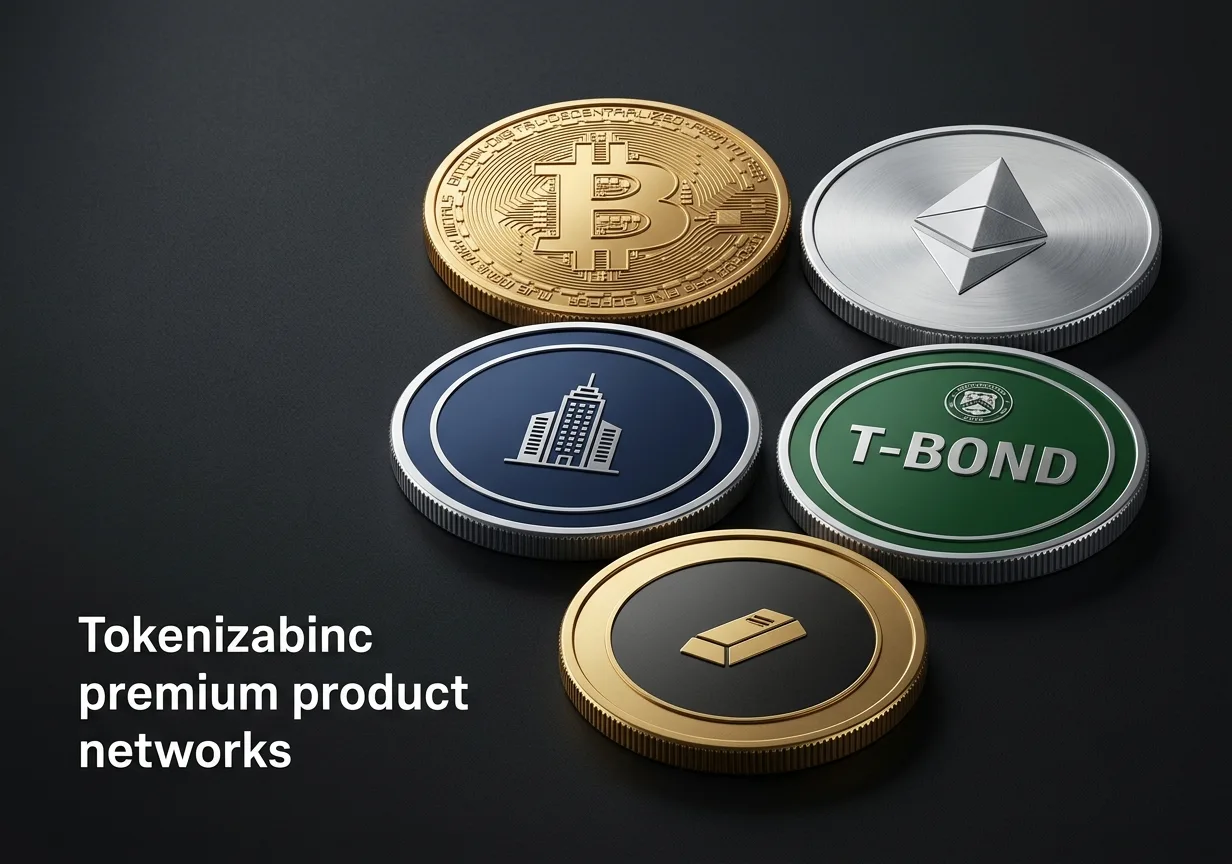
When you hear cryptocurrency, what comes to mind? Most likely volatile coins, speculative trading, DeFi experiments. Lots of headlines have been made about Bitcoin price changes and NFTs. But far away from the noise lies a revolution that is set to change finance as we know it. One of the largest trends happening in crypto that nobody is talking about is Real-World Assets, also known as RWAs. Tokenized real-world assets are taking the traditional finance world by storm with a $41 trillion dollar addressable market. Throughout 2026, RWAs have been heating up and are looking to become one of the four major crypto trends defining how money moves, how institutions will access the DeFi ecosystem, and what the future of finance will look like. Here’s your guide to everything you need to know about RWAs.
What Are Tokenized Real-World Assets (RWAs)?
A few years ago, the notion of tokenizing a skyscraper in Manhattan, a U.S. Treasury bond, or an art collection would have sounded like something out of a Cyberpunk novel. Fast forward to today and it’s quickly becoming the norm. Tokenized real-world assets (“RWAs”) are digital tokens that represent the ownership of real (i.e. physical) or traditional finance assets. RWAs can take the form of real estate, treasuries, commodities (think gold, oil), private equity, corporate bonds, invoices, and intellectual property.
How Real-World Asset Tokenization Works
Here’s how it works. Specialized legal contracts are created linking the smart contract to an underlying physical or financial asset. The tradable token that is issued represents a certifiable claim against that asset. Think of this trend for what it is: blockchain technology meeting grandma’s favorite investment genre stable investments. It’s no surprise that we’re seeing early adoption from major financial institutions like BlackRock, JPM, and Franklin Templeton, all of which have recently issued RWA products. BlackRock recently announced that its tokenized treasury fund hit $500 million in assets under management just weeks after its inception. This trend has far reaching implications for crypto because it symbolizes a maturation of the space away from speculation and into assets with real world underlying value.
Why the RWA Market Represents a $41 Trillion Opportunity
Why $41 trillion? In short, it's because that's the approximate amount of illiquid wealth projected to be accessible via blockchain technologies (aka tokenized). Boston Consulting Group estimates global illiquid assets which could be tokenized value at $16 trillion by 2030.
Other estimates go even higher when you consider a wider variety of asset classes.
Real Estate, Treasury Bonds, and Tokenized Assets
Real Estate is a primary example, with tens of trillions of dollars of global wealth tied up in commercial and residential real estate that has traditionally been illiquid, indivisible, and costly to trade. Then there's sovereign debt - Government bonds are another trillion-dollar market. Ondo Finance and Matrixdock are two companies which have already tokenized billions in U.S Treasuries and sell tradable, on-chain yield products against those tokens.
The Rapid Growth of the Tokenized Asset Industry
The entire RWA space has gone from a niche idea to a billion-dollar industry in just a few years. Figuring out exactly how big RWA's are today is a challenge because there isn't standardization across products or platforms. However, we can get fairly close by looking at on-chain metrics. RWA tracking platform Bright Security pegged total tokenized assets at over $10 billion in 2024. That number has rapidly increased throughout 2025 and into 2026.
How RWAs Are Changing Capital Flows in Crypto
Possibly the largest impact of the RWA trend will be its ability to change how capital flows into and within crypto. For most of crypto’s history blockchain-native financial flows have orbited around themselves; cryptocurrency trades to DeFi protocols to stablecoins and back to crypto. Tokenizing real-world assets changes this paradigm by linking the traditional economy to on-chain liquidity.
Why Institutional Investors Are Embracing RWAs
If your investment team wants to buy $100 million worth of U.S. Treasury Bonds, they can now do this on a blockchain network. Not only does this open up crypto networks to institutions looking to invest in ‘routine’ products, it also puts these institutions on blockchain networks. Every U.S. Treasury purchased on a blockchain represents an institutional investor interacting with DeFi infrastructure for the first time.
Unlocking Liquidity Through Asset Tokenization
Suddenly you have a whole new category of potential on-chain users that may have never bought Bitcoin but care deeply about the efficiency gains, transparency, and programmability of blockchain technology. RWA’s also have the potential to move massive amounts of liquidity on- and off-chain. Many real world assets are considered “illiquid”, like private credit or real estate. But what happens if you can take that illiquid asset, tokenize it on a blockchain, and then divide it into million dollar slices that trade on a secondary market? All of a sudden you’ve unlocked years’ worth of investor capital.
RWA Infrastructure and the Future of Blockchain Finance
Projects like Centrifuge and Maple Finance are experimenting with just this today; tokenized credit flows through DeFi pipes creating entirely new ways for capital providers to allocate money to borrowers in emerging economies. This type of cross-border capital movement used to take months, if it was possible at all. Now it’s not only possible, it can happen almost instantly thanks to blockchain technology.
Why Real-World Asset Tokenization Matters
An absurdly undervalued trend within crypto is RWA (real world asset) infrastructure deployment to public blockchains. So people obsess over meme coins and alt cycles when billions of dollars flow into developing infrastructure for a literal tens of trillions dollar tokenized economy. The reason why real world asset tokenization matters so much is that it solves one of the oldest use cases in crypto: transferring ownership of an asset.
How Blockchain Improves Asset Ownership and Settlement
When you buy or sell anything that’s not crypto, there are multiple intermediaries involved that verify and facilitate the trade. Brokers, custodians, clearinghouses, lawyers, the list goes on. These trusted third parties add expense, time, and counterparty risk to every transaction.
Blockchain technology can collapse settlement times from days to seconds, cut transaction costs, and create an auditable and non-changeable record of ownership that doesn’t require any trust.
RWAs and Financial Inclusion in Emerging Markets
Additionally, RWAs are huge for frontier and emerging markets. If you didn’t grow up in a first world country with rich family connections, investing in quality assets was nearly impossible.
Assets like U.S. Bonds, blue chip stocks, or trophy real estate have been gatekept for the wealthy. Thanks to tokenization anyone can own a stake of a high-quality asset if it’s on a public blockchain and you have a crypto wallet.
The Impact of RWAs on DeFi and Crypto Liquidity
RWAs currently impact capital flow dynamics in crypto asset markets in at least two ways, both of which can be directly measured. First, RWA projects are capturing new capital flows to cryptocurrency markets that institutional investors were previously unwilling to commit to highly speculative assets. Increased institutional flow into RWAs means there will be more liquidity in crypto markets overall, resulting in less volatility and better price discovery.
Tokenized Treasuries and On-Chain Yield Opportunities
Second, yield-bearing RWA products available on-chain are causing changes to capital flows within DeFi markets themselves. Once tokenized U.S. Treasuries yield more than or equal to their risk-adjusted returns compared to highly leveraged lending protocols, smart money moves money.
Regulation, Technology, and the Future of RWAs
In the future, tokenized RWAs will help fully bridge the gap between traditional finance and decentralized finance. Regulation has been the biggest hurdle preventing institutional adoption of RWAs and has started to become clearer and more consistent throughout most developed markets.
How MiCA, SEC Rules, and Global Policies Support Tokenization
Regulation in the EU with MiCA, evolving regulations for security tokens in the U.S. by the SEC, as well as regulatory advancements in Singapore, the UAE, and other countries are all helping to create a clearer legal framework around the issuance and trading of tokenized assets.
Layer 2 Scaling, Interoperability, and Zero-Knowledge Proofs
On the technology side, layer 2 scaling solutions, interoperability, and zero-knowledge proofs are helping solve many of the throughput, speed, and privacy issues needed to support institutional-sized markets for RWAs.
The Future of Tokenized Real-World Assets
In short, we believe institutional adoption of RWAs is coming sooner rather than later and once regulatory and technological frameworks are firmly established, we will see exponential growth in tokenization. Some predictions estimate that tokenized assets will make up 10%-50% of all financial markets by 2030.
Why RWAs Could Become the Foundation of Web3
If you care about crypto at all, RWAs are something you should care about. They’re the foundation of web3 and the future of crypto adoption. Learn what they are, follow along with their development, and pay attention to the projects building them.
Real-World Asset Tokenization Is Reshaping Global Finance
Real-world asset tokenization is one of the most exciting applications of crypto because of the massive, long-term structural impact it will have on the global financial system. Every illiquid asset on the planet represents part of a $41 trillion opportunity to apply blockchain technology to fundamental components of the world’s financial infrastructure.
The $41 Trillion Crypto Opportunity in 2026 and Beyond
The effects this will have on capital markets, access to investments, and financial intermediation will be felt for generations. Whether it’s BlackRock launching tokenized treasury funds or decentralized credit protocols lending to frontier market borrowers, the RWA ecosystem is vast, innovative, and expanding at breakneck speed. 2026 is shaping up to be a massive year for crypto adoption generally, but tokenized real-world assets are the trend with the potential to create real, long-term value. Say goodbye to crypto speculation and hello to crypto productivity.