
After 25 Years of Talks, Europe and South America Just Opened the World's Biggest Free Trade Zone
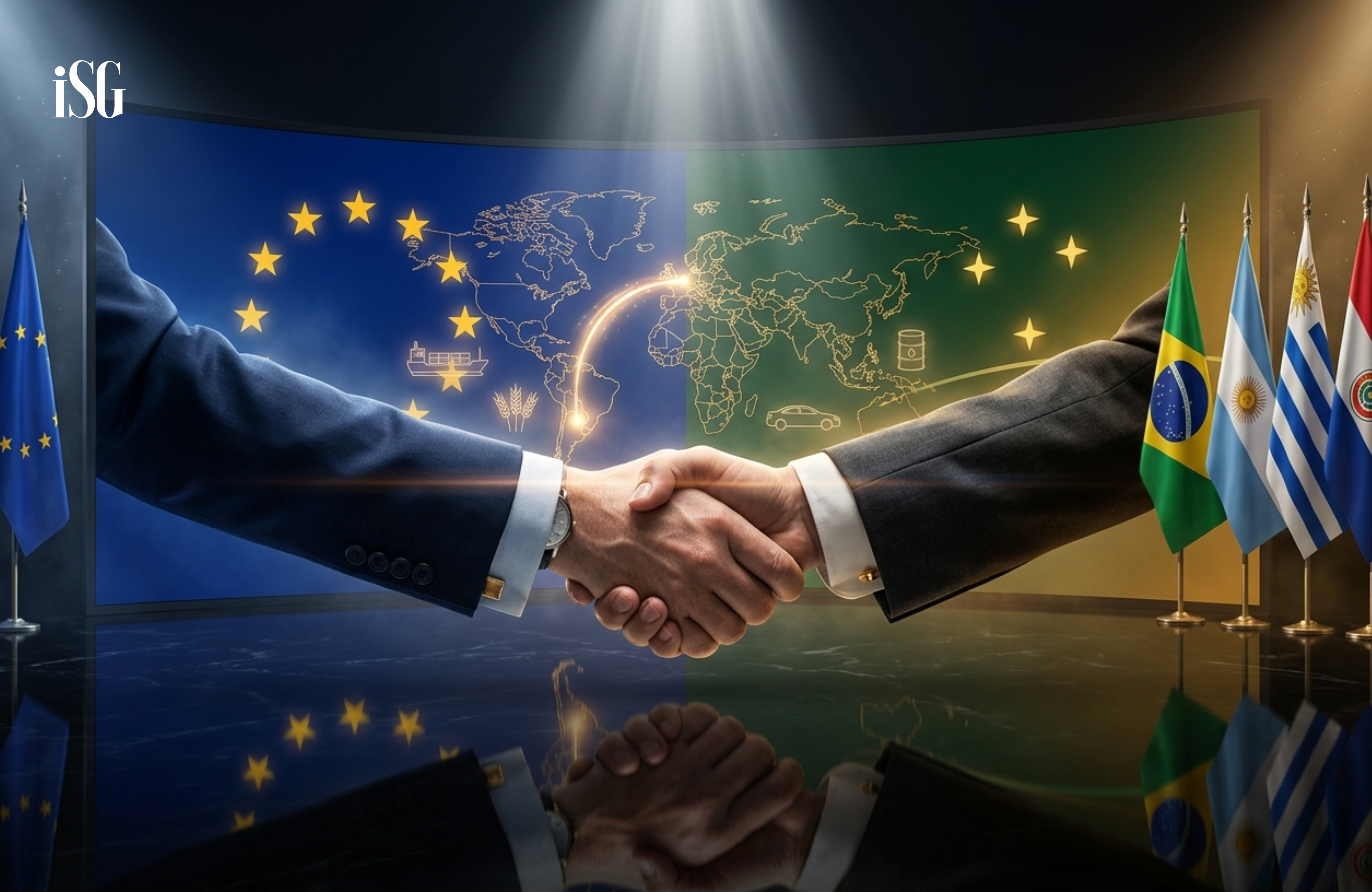
On May 1st, 2026, a trade deal that took 25 years to negotiate finally came into force. The agreement between the EU and the four founding nations of Mercosur creates a free trade area covering 720 million people and an economy valued at $22 trillion.
It is the largest trade deal either bloc has ever struck - and for businesses on both sides of the Atlantic, the era of lower tariffs has already begun.
What the Deal Does
On May 1st, 2026, a trade deal that took 25 years to negotiate finally came into force. The agreement between the European Union and the four founding nations of Mercosur - Brazil, Argentina, Uruguay, and Paraguay - creates a free trade area covering 720 million people and an economy valued at $22 trillion. It is the largest trade deal either bloc has ever struck.
For European companies, the change is immediate. Tariffs on cars exported to South America drop from 35% to 25% on day one. Machinery tariffs begin their phased reduction. Pharmaceutical companies gain new market access. European exporters are expected to save over €4 billion annually in tariffs once the deal is fully implemented.
What South America Gains
For South American nations, the deal opens European markets to their agricultural products - beef, fruit, sugar, and minerals including lithium and niobium - under more favorable terms than ever before.
The Opposition
But not everyone is celebrating. French farmers have protested loudly, warning of cheap South American imports undercutting their prices. Environmental groups are concerned about increased deforestation pressure in Brazil to meet new export demand. The European Parliament has actually challenged the deal in court, questioning whether the European Commission had the authority to apply it before lawmakers formally approved it. The legal opinion could take up to two years.
What It Means for Global Trade
For now, the deal stands provisionally - and for businesses on both sides of the Atlantic, the era of lower tariffs has already begun. At a time when global trade is under pressure from American protectionism and a war in the Middle East, Europe and South America are choosing to deepen their ties instead.