
Sheikh Hamad bin Khalifa Al Thani, Qatar’s Former Emir, Dies at 74
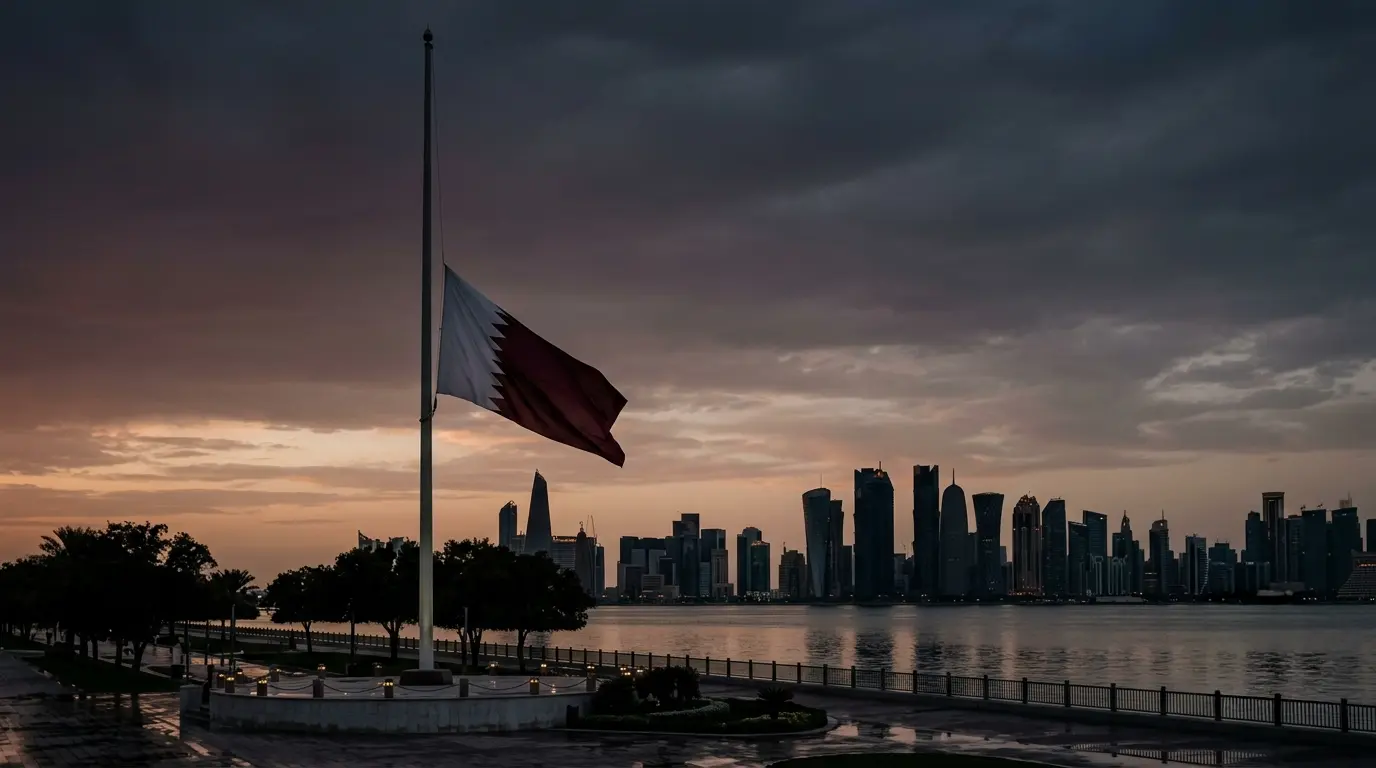
Sheikh Hamad bin Khalifa Al Thani, the former Emir of Qatar who transformed the Gulf nation into a global economic powerhouse and influential diplomatic player, has died at the age of 74. Qatar’s Amiri Diwan announced his death on Sunday but did not disclose the cause.
Sheikh Hamad bin Khalifa Al Thani, the former Emir of Qatar who transformed the Gulf nation into a global economic powerhouse and influential diplomatic player, has died at the age of 74. Qatar’s Amiri Diwan announced his death on Sunday but did not disclose the cause. Sheikh Hamad ruled Qatar for nearly two decades, overseeing sweeping economic reforms, expanding the country's international influence, and reshaping its domestic institutions. His leadership is widely regarded as one of the most transformative periods in Qatar's modern history.
A Visionary Leader
When Sheikh Hamad bin Khalifa Al Thani assumed power from his father in 1995, Qatar was already benefiting from substantial oil and natural gas reserves. However, the country remained a relatively small player on the global stage.
During his rule, Sheikh Hamad invested heavily in state institutions, introduced ambitious reforms, and pursued a long-term strategy to modernize the country.
His government financed major investments in healthcare, education, infrastructure, sports, and international business, helping Qatar become one of the world's wealthiest nations on a per-capita basis.
Fueling Qatar's Economic Growth
One of Sheikh Hamad's defining achievements was accelerating the development of Qatar's liquefied natural gas (LNG) industry.
Recognizing the country's enormous natural gas reserves, his government expanded LNG production facilities and positioned Qatar among the world's leading LNG exporters.
Revenue generated from the energy sector fueled rapid economic growth, financed national development projects, and strengthened the Qatar Investment Authority (QIA), one of the world's largest sovereign wealth funds.
Building Qatar's Global Influence
Sheikh Hamad also elevated Qatar's international profile through diplomacy and global media.
His government established Al Jazeera, which grew into one of the world's most influential Arabic-language news networks and significantly increased Qatar's visibility across international affairs.
Beyond media, Qatar became an active diplomatic mediator, facilitating dialogue in regional conflicts and hosting negotiations involving governments and international organizations.
These initiatives helped establish Qatar as an influential diplomatic hub in the Middle East.
Bringing the FIFA World Cup to Qatar
Sheikh Hamad played a pivotal role in securing the 2022 FIFA World Cup, making Qatar the first Middle Eastern nation to host football's biggest tournament.
Preparations for the event transformed the country through extensive investments in stadiums, airports, highways, metro systems, hotels, and urban development projects.
The tournament showcased Qatar's rapid modernization and significantly enhanced its international reputation.
A Historic Abdication
In 2013, Sheikh Hamad surprised observers by voluntarily stepping down and transferring power to his son, Sheikh Tamim bin Hamad Al Thani.
The peaceful succession was highly unusual among Gulf monarchies, where leaders traditionally remain in power for life.
Sheikh Hamad said it was time for a younger generation to lead the country, and the orderly transition was widely viewed as a sign of political stability and effective governance.
Qatar's Role During the Arab Spring
Sheikh Hamad's foreign policy also shaped Qatar's regional influence during the Arab Spring.
Qatar supported reform movements across parts of the Middle East, strengthening relationships with several emerging political groups while increasing its regional influence.
However, these policies also created tensions with neighboring Gulf states, particularly Saudi Arabia and the United Arab Emirates, leading to periods of diplomatic strain.
Investing in Education and Innovation
Education remained one of Sheikh Hamad's highest priorities.
Working alongside Sheikha Moza bint Nasser, he supported major initiatives focused on education, scientific research, and innovation through the Qatar Foundation.
One of the most significant achievements was the development of Education City, which attracted campuses from leading international universities and helped position Qatar as a regional center for higher education and research.
These investments continue to support Qatar's long-term strategy of building a diversified, knowledge-based economy.
A Leader Remembered
Sheikh Hamad bin Khalifa Al Thani leaves behind a legacy that transformed Qatar into one of the world's most influential small nations.
His leadership reshaped the country's economy, expanded its diplomatic reach, strengthened its global investment portfolio, and modernized its infrastructure and education system.
As Qatar continues to build on the foundations established during his reign, Sheikh Hamad will be remembered as the architect of modern Qatar and one of the Middle East's most influential leaders.