
U.S. Businesses Push Back on Proposed Tariffs
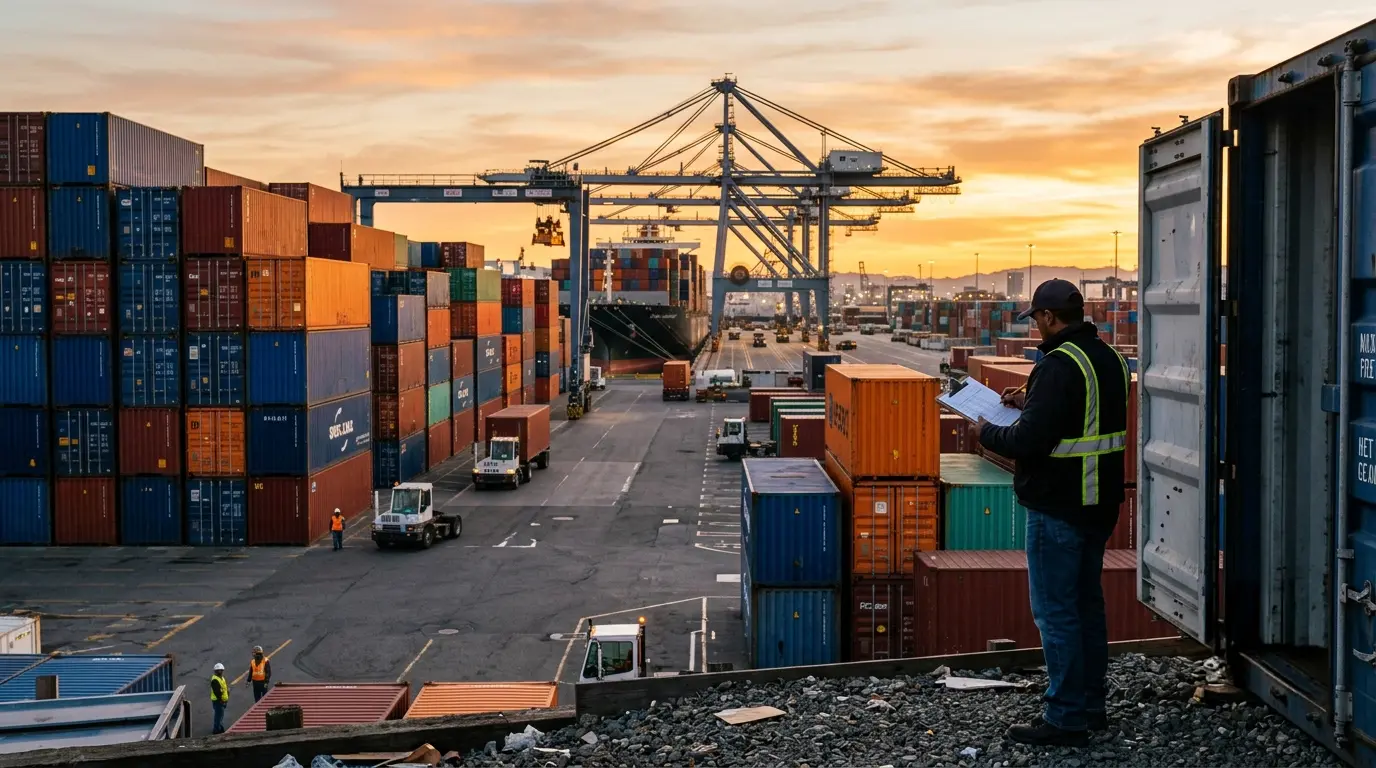
Major U.S. companies are urging trade officials to reconsider plans to expand tariffs on imported goods, warning that higher duties could increase manufacturing costs, disrupt supply chains, and ultimately raise prices for both businesses and consumers.
Major U.S. companies are urging trade officials to reconsider plans to expand tariffs on imported goods, warning that higher duties could increase manufacturing costs, disrupt supply chains, and ultimately raise prices for both businesses and consumers. In comments submitted to U.S. trade representatives this week, businesses acknowledged the importance of strengthening domestic manufacturing but argued that broader tariffs could make American production less competitive by increasing the cost of essential imported materials and components.
Businesses Warn Tariffs Could Increase Manufacturing Costs
Industry leaders say many manufacturers depend on imported raw materials, specialized parts, and industrial components that are either unavailable or produced in limited quantities within the United States.
Companies argue that imposing additional tariffs on these imports would increase production expenses rather than encourage domestic manufacturing. As operating costs rise, businesses warn that manufacturers may have little choice but to pass those costs on to consumers through higher prices.
Technology Companies Raise Supply Chain Concerns
Technology companies are among the industries expressing concern over the proposed tariff expansion.
Many electronics manufacturers rely on imported semiconductors, computer chips, display panels, and electronic components to produce consumer and industrial products.
Industry executives warn that additional tariffs could increase manufacturing costs, create supply chain disruptions, and delay production schedules. They also caution that higher production expenses could make U.S.-made technology products less competitive in global markets.
Aerospace Industry Says Domestic Alternatives Are Limited
Companies in the aerospace sector told trade officials they continue to rely heavily on imported specialty metals, rare earth minerals, precision components, and other critical materials.
Industry representatives said many of these products currently have few reliable domestic suppliers, making it difficult to replace imports with U.S.-made alternatives.
According to aerospace manufacturers, higher tariffs would increase production costs without significantly accelerating domestic production of these specialized materials.
Automakers Seek Tariff Exemptions
Automakers are requesting exemptions for products that are already subject to existing import duties.
Industry representatives argue that applying multiple tariffs to the same imported components would increase vehicle manufacturing costs without providing meaningful incentives for domestic production.
Automakers also warned that rising production costs could affect vehicle affordability, reduce consumer demand, and influence future investment decisions within the automotive sector.
Diamond Industry Calls for Policy Review
The Natural Diamond Council has also expressed concerns about the proposed tariffs.
Industry officials noted that the United States imports the vast majority of natural diamonds used in jewelry, as domestic diamond mining remains extremely limited.
According to the council, additional tariffs would increase costs throughout the supply chain, affecting manufacturers, wholesalers, retailers, and consumers, while doing little to expand domestic diamond production.
Businesses Support Domestic Manufacturing but Seek Flexibility
Many companies emphasized that they support efforts to strengthen U.S. manufacturing and reduce dependence on overseas supply chains.
However, they argue that tariffs alone are unlikely to achieve those goals and instead advocate for a balanced approach that includes targeted product exemptions for goods that cannot be produced domestically.
Businesses are also requesting transition periods to give manufacturers sufficient time to adjust supply chains before any new tariffs take effect.
Higher Tariffs Could Lead to Higher Consumer Prices
Tariffs are designed to increase the cost of imported products and encourage consumers and businesses to purchase domestically produced alternatives.
While this strategy can support local manufacturing, economists and industry groups note that tariffs may also increase production costs for companies that rely on imported materials.
As those costs rise, businesses may pass the additional expenses on to consumers through higher prices across a wide range of products.
Looking Ahead
U.S. trade officials are currently reviewing feedback submitted by businesses from multiple industries before making decisions on expanding tariffs.
As the review process continues, more companies are expected to engage with policymakers regarding the potential economic impact of the proposed measures.
The outcome could influence manufacturing strategies, global supply chains, consumer prices, and future business investment decisions across the United States.