
Germany Signs Funding Deal for 50,000 Drones to Ukraine
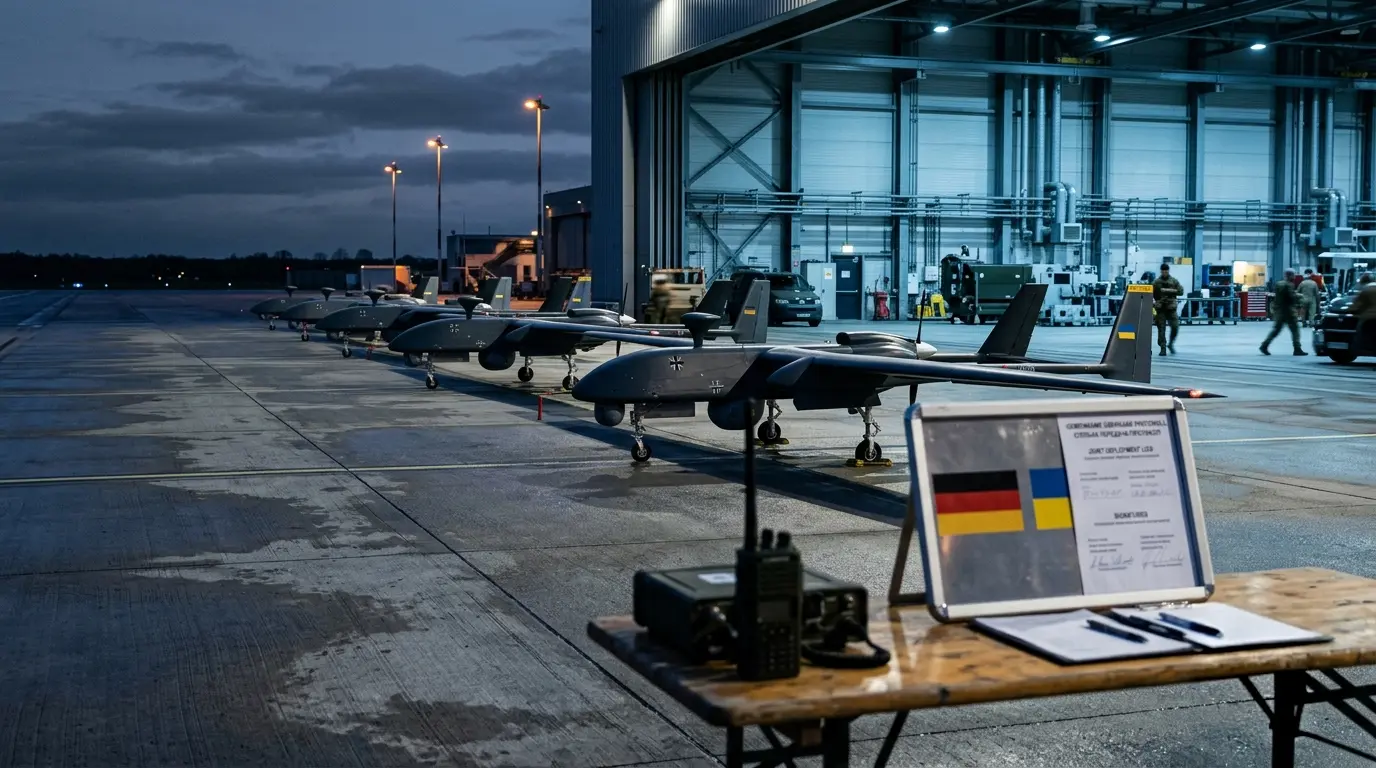
Germany has approved funding to supply Ukraine with 50,000 first-person-view (FPV) drones, marking one of the largest drone procurement initiatives financed by a Western government since Russia's full-scale invasion of Ukraine.
Germany has approved funding to supply Ukraine with 50,000 first-person-view (FPV) drones, marking one of the largest drone procurement initiatives financed by a Western government since Russia's full-scale invasion of Ukraine. The funding package, valued at approximately €90 million, reflects Europe's continued commitment to strengthening Ukraine's military capabilities. FPV drones have become a critical component of modern battlefield operations, and the latest agreement is expected to enhance Kyiv's use of unmanned aerial vehicles (UAVs) in combat.
FPV Drones Continue to Shape the War in Ukraine
FPV drones have become an essential weapon for both Ukraine and Russia throughout the conflict.
Ukraine regularly deploys these drones for reconnaissance, surveillance, and precision strikes against military vehicles, trenches, artillery positions, and supply routes.
Military analysts estimate that thousands of drone missions are conducted daily, highlighting the growing importance of low-cost UAVs in modern warfare.
Germany's latest funding package will significantly expand Ukraine's inventory of FPV attack drones and strengthen its battlefield capabilities.
Technical Capabilities of the Drone Package
The package includes Shrike FPV drones manufactured by Ukrainian drone producer SkyFall.
The drones will be equipped with artificial intelligence (AI) targeting software developed by U.S.-based drone technology company Auterion.
According to information released by the company, the AI-powered software enables drone operators to track moving targets more effectively during the final phase of flight, improving strike accuracy while reducing the likelihood of mission failure.
SkyFall also confirmed that the first batch of drones has already been delivered to Ukraine, with additional deliveries scheduled before the end of the year.
Germany's €90 Million Military Assistance Package
Under the agreement, Germany will finance approximately €90 million toward Ukraine's next-generation FPV drone fleet.
German officials have declined to provide additional operational details, citing security concerns.
Defense contractors involved in the project have confirmed that Germany has agreed to fund the procurement of 50,000 drones, although authorities have not disclosed delivery schedules or deployment plans.
Ukraine Expands Domestic Drone Production
Germany's announcement comes as Ukraine continues to accelerate domestic drone manufacturing.
Since 2020, Ukrainian defense companies have significantly expanded production of unmanned aerial vehicles ranging from surveillance platforms to advanced combat drones capable of launching munitions, disrupting electronic systems, and identifying targets using thermal imaging technology.
Supported by international funding and technical cooperation, Ukraine has developed one of the world's most extensive military drone production programs.
International Support Continues to Boost Ukraine's Drone Program
Germany joins several Western allies that have invested heavily in Ukraine's growing drone capabilities.
The United States has committed substantial funding toward military drone initiatives, while the United Kingdom recently announced additional financial support to help expand Ukraine's drone fleet.
Governments worldwide are increasingly investing in UAV production, autonomous technologies, and AI-powered targeting systems as military planners adapt to the changing nature of modern warfare.
Strategic Importance of Military Drones
Defense analysts say Germany's latest funding package highlights the transformative role drones now play on the battlefield.
Compared with traditional missile systems and combat aircraft, FPV drones are relatively inexpensive to manufacture, can be produced rapidly, and provide frontline troops with highly effective precision strike capabilities.
Continued international support enables Ukraine to expand domestic production while improving operational effectiveness against Russian forces.
As countries continue studying lessons from the Russia-Ukraine war, military experts expect governments to increase investments in drone technology, autonomous weapons systems, and next-generation UAV capabilities as part of future defense strategies.