
The Iran Ceasefire Is Holding - Barely. Here's Where Things Stand.
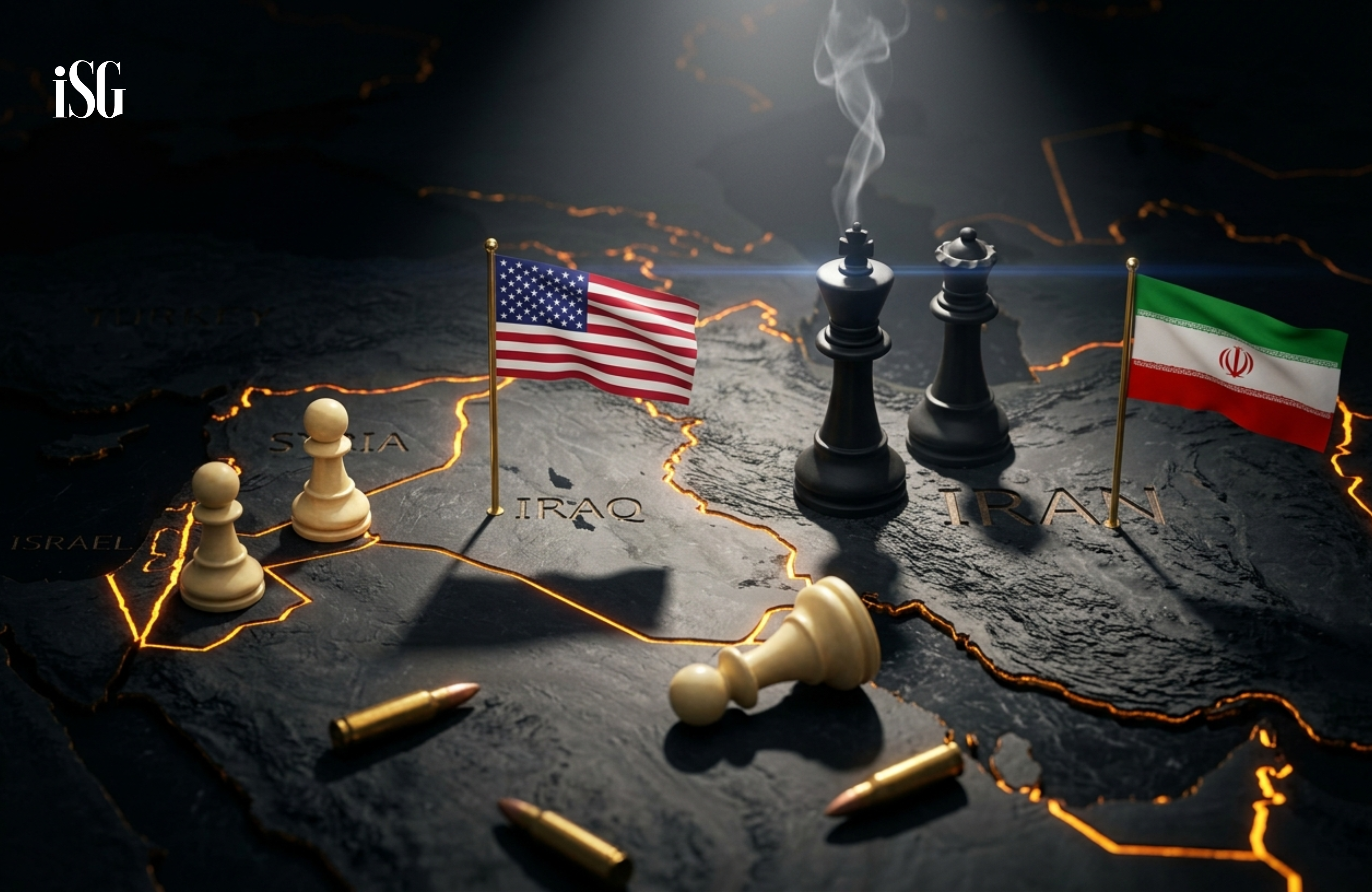
It has now been almost four weeks since the United States and Iran agreed to a two-week ceasefire - and the ceasefire is still technically in place, though both sides have accused the other of violating it repeatedly.
The next few weeks will determine whether this ceasefire becomes a peace deal or simply a pause before another escalation.
How the Conflict Began
The conflict began on February 28th when the US and Israel launched coordinated airstrikes on Iran, targeting military sites and government officials. Iran responded by closing the Strait of Hormuz and launching missile strikes against US bases and regional allies. Over the weeks that followed, oil prices surged, global shipping was disrupted, and thousands of people were killed - including over 3,300 in Iran and more than 2,500 in Lebanon.
A Ceasefire That Isn't Really a Peace
The ceasefire, brokered by Pakistan and announced on April 7th, was supposed to create space for negotiations. Instead, it has become a prolonged and fragile standoff. Iran has submitted multiple peace proposals. The US has rejected each one as unsatisfactory. The president has said the US may be "better off" without a deal. A senior Iranian military official has warned that renewed conflict is "possible."
What's Still Happening on the Ground
Meanwhile, the US Navy continues to enforce a blockade of Iranian ports, having turned back 48 Iranian ships in the past three weeks. Israel continues to strike Hezbollah targets in southern Lebanon. And talks between Washington and Tehran remain deadlocked on fundamental issues - including Iran's nuclear program, the status of Lebanon, the Strait of Hormuz, and frozen Iranian assets.
What Comes Next
The next few weeks will determine whether this ceasefire becomes a peace deal or simply a pause before another escalation.