
Asia Is Watching the Strait of Malacca Very Carefully Right Now
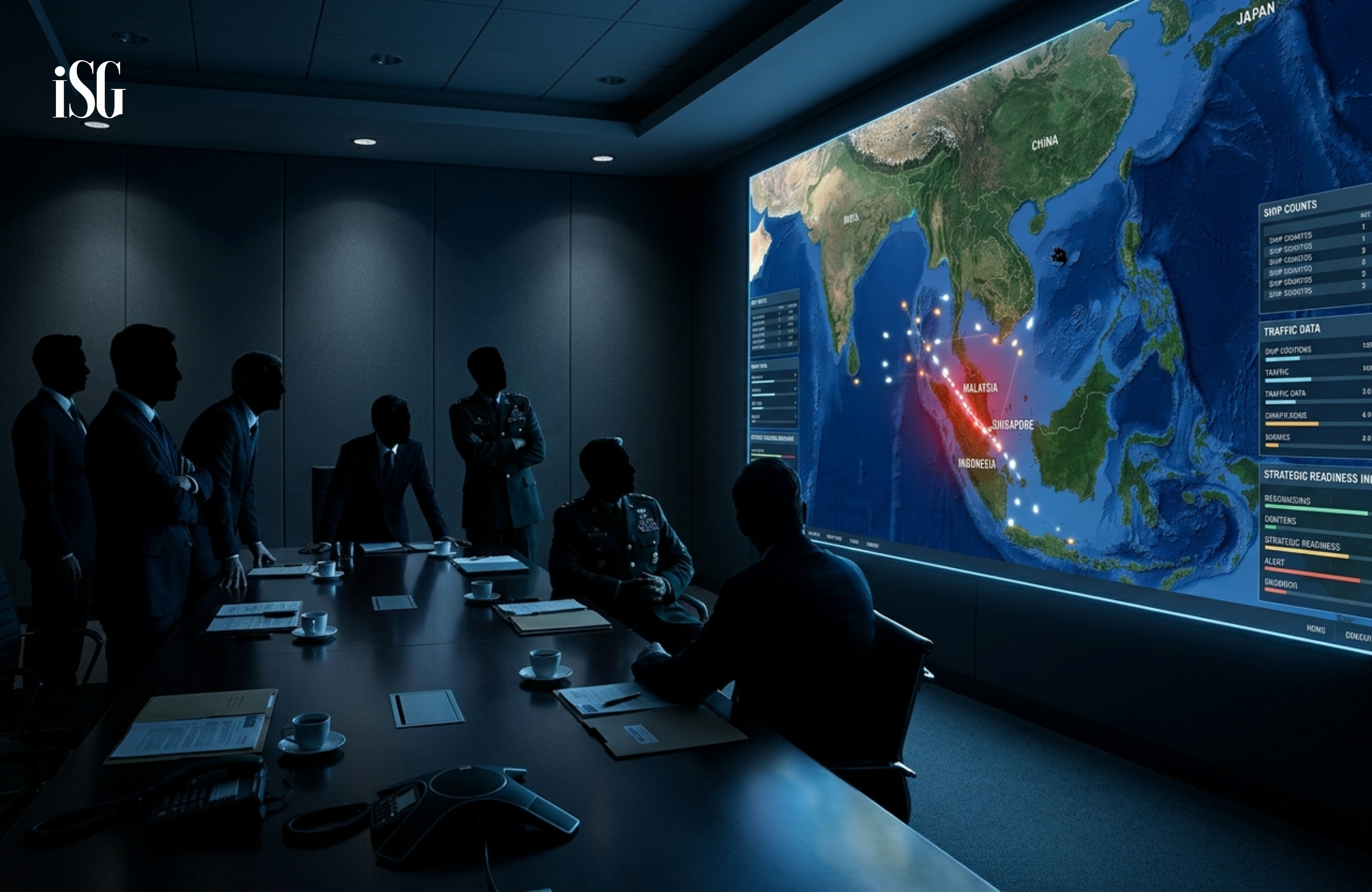
When the Strait of Hormuz closed at the start of the Iran war, the world's attention went to oil prices and the Middle East. But quietly, in the back rooms of Asian governments and shipping companies, another waterway started getting a lot more attention.
The Malacca Strait - a narrow, 900-kilometer channel between Malaysia, Indonesia, and Singapore - is the world's single busiest shipping lane. About a quarter of all global maritime trade passes through it, including the vast majority of oil flowing to China, Japan, South Korea, and the rest of East Asia.
Why Malacca Matters Now
When the Strait of Hormuz closed at the start of the Iran war, the world's attention went to oil prices and the Middle East. But quietly, in the back rooms of Asian governments and shipping companies, another waterway started getting a lot more attention: the Strait of Malacca.
The Malacca Strait - a narrow, 900-kilometer channel between Malaysia, Indonesia, and Singapore - is the world's single busiest shipping lane. About a quarter of all global maritime trade passes through it, including the vast majority of oil flowing to China, Japan, South Korea, and the rest of East Asia. When goods can't move through Hormuz, the pressure on Malacca increases dramatically.
The Ripple Effects of Hormuz
The closure of Hormuz has forced shipping companies to reroute around the Cape of Good Hope or squeeze more traffic through alternative Asian corridors - pushing up costs, delays, and insurance premiums across the region. Singapore and Malaysia have quietly begun discussions about enhanced naval coordination. Japan has raised its defense spending to record levels in part because of exactly this kind of chokepoint vulnerability.
A Bottleneck That Cannot Be Widened
Analysts warn that Malacca's geography makes it almost impossible to widen or duplicate. If another crisis were to threaten this corridor - whether from conflict, piracy, or accident - Asia's ability to import energy and export manufactured goods could face a disruption far larger than anything Hormuz has caused.
For now, the strait remains open. But governments across Asia are no longer taking that for granted.