Leading Voices in Women’s Sleep & Longevity 2026
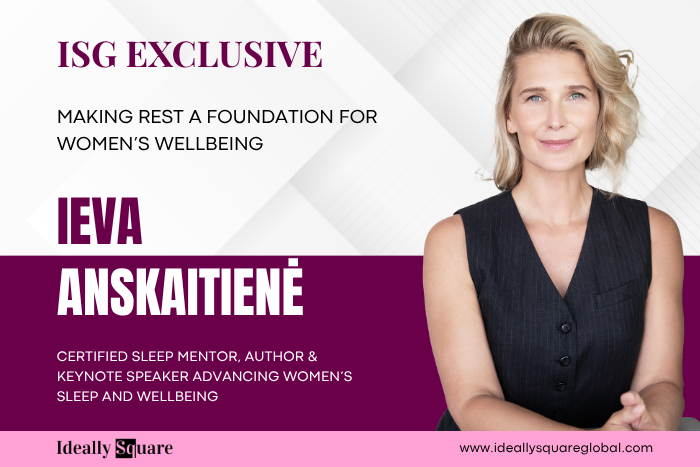
Ieva Anskaitienė is working to change the relationship women have with rest. Having begun her journey by supporting newborns and children with sleep, she gradually turned her attention towards the women caring for them and recognised how often their own exhaustion remained unseen. Today, as a mentor, author, and keynote speaker focused on women’s sleep and wellbeing, Ieva brings together science, storytelling, personal experience, and compassionate guidance to help women understand the signals of their bodies.
Ieva Anskaitienė: Making Rest a Foundation for Women’s Wellbeing
Sleep is often treated as the quiet space between one productive day and the next. Yet while the body rests, it is repairing, processing, regulating, and preparing. For many women, however, the night does not bring this sense of renewal. Responsibilities follow them into bed, unfinished thoughts continue after the lights are turned off, and exhaustion becomes so familiar that it begins to feel like part of who they are. The deeper concern is not only that women are sleeping less, but that many have learned to view rest as something they must earn after everyone else has been cared for.
Ieva Anskaitienė is working to change that relationship with rest. Having begun her journey by supporting newborns and children with sleep, she gradually turned her attention towards the women caring for them and recognised how often their own exhaustion remained unseen. Today, as a mentor, author, and keynote speaker focused on women’s sleep and wellbeing, Ieva brings together science, storytelling, personal experience, and compassionate guidance to help women understand the signals of their bodies.
Seeing the Sleepless Woman Behind Every Sleeping Child
Like many women, Ieva experienced periods when she was doing everything for everyone while barely sleeping herself. For a long time, she believed exhaustion was something to endure and that she simply needed to keep moving forward. Over time, however, she began to understand that her tiredness was not a sign of personal weakness. It was a signal from her body that had gone unheard for too long.
That realisation gradually changed the direction of her work. Having initially focused on supporting newborns and children with sleep, Ieva began paying closer attention to the women caring for them. Behind many children were mothers carrying responsibilities, managing expectations, and continuing to function despite receiving too little rest.
Her work naturally expanded from helping children sleep to helping women rediscover their own relationship with rest. At the centre of this transition was a simple but deeply personal wish: no woman should have to become completely exhausted simply to hold her life together.
Today, as a mentor, author, and speaker, Ieva helps women understand that exhaustion should not be accepted as the price of being capable, caring, or successful. Her mission is to create space for women to listen to their bodies, recognise their needs, and understand that caring for themselves does not diminish what they offer to others.
When Exhaustion Became Evidence of Devotion
For generations, many women have learned to treat sleep as something that can be postponed whenever another responsibility appears. Rest has often been sacrificed in the effort to become a good mother, supportive partner, dependable employee, committed caregiver, or successful professional.
Over time, tiredness became associated with dedication. Exhaustion was worn almost as evidence that a woman was doing enough for everyone around her.
Ieva believes this perception has contributed significantly to sleep remaining one of the most overlooked foundations of women’s health. The problem has also been reinforced by gaps in medical research. Historically, much sleep research focused primarily on men, leaving the hormonal complexity of women’s sleep insufficiently explored and understood.
A woman’s sleep may change throughout the menstrual cycle, pregnancy, the postpartum period, perimenopause, and menopause. Yet many concerns have been dismissed as stress or attributed broadly to hormones without deeper investigation.
For Ieva, meaningful change begins by recognising that sleep is not an optional comfort. It influences physical health, emotional wellbeing, cognitive performance, resilience, and quality of life. Rest deserves to be protected rather than treated as something women must sacrifice to prove their commitment to others.
The Strength That Keeps the Mind Awake
Many of the women Ieva works with are intelligent, ambitious, and highly capable. They lead organisations, raise children, support relationships, pursue demanding careers, and continue to appear composed even when they are struggling internally.
Beneath that capability, however, she often encounters a nervous system that has remained alert for years.
One of the most common challenges is a racing mind that becomes active when the surroundings finally become quiet. The responsibilities of the day may have ended, but the mind begins reviewing unfinished work, family needs, future obligations, difficult conversations, and everything awaiting attention the following morning.
Many women also experience chronic hyperarousal. Their bodies feel exhausted, yet their minds remain alert. They are tired but unable to settle into restorative sleep.
Other recurring challenges include guilt when resting, hormonal changes for which they were never prepared, and a quiet sense of loneliness. High-achieving women may find it particularly difficult to acknowledge that they are struggling because others often depend on their ability to remain strong.
Ieva believes these sleep difficulties cannot always be explained by environmental factors such as an uncomfortable mattress or excessive caffeine. In many cases, women have spent so long performing strength that they have forgotten what it feels like to soften, release responsibility, and feel safe enough to rest.
Rest Is Not Something to Earn
Guilt and perfectionism can continue working long after the day has ended.
A woman may lie down physically exhausted, only for her mind to begin reviewing everything she did not complete, everything she could have handled differently, and everything still waiting for tomorrow. Although her body is in bed, her thoughts remain occupied with work, responsibility, and self-evaluation.
When the mind continues working, the body may struggle to enter genuine rest.
Ieva encourages women to challenge the belief that sleep must be earned through productivity. They do not need to complete every task before resting. They do not need to become perfect mothers, partners, professionals, or caregivers before allowing themselves to sleep.
Rest is not a reward for meeting every expectation. It is a fundamental human need.
One mindset shift she encourages is replacing the question, “Did I do enough today?” with a more compassionate reflection: “Did I take care of myself today?”
For Ieva, this small change can influence how women understand their worth and wellbeing. A woman who cares for herself develops a different relationship with sleep. When she rests well, she can return to her responsibilities with greater presence, energy, and emotional capacity.
Rest is not an act of selfishness. It is one of the ways a woman reconnects with herself.
Understanding the Night Through the Menopause Transition
Menopause remains one of the most misunderstood stages of a woman’s life, and changes in sleep may appear long before women understand their connection to hormonal shifts.
As estrogen and progesterone levels fluctuate and decline, women experience changes involving two hormones that play important roles in sleep. Progesterone contributes to calmness within the brain, while estrogen supports serotonin activity and helps regulate body temperature.
These changes may contribute to night sweats, racing thoughts, early morning awakenings, and increasingly fragmented sleep. As a result, women may spend many hours in bed while still waking without a sense of restoration.
Through her workshop on menopause and sleep, Ieva shares practical approaches that can help women understand and respond to these changes. Maintaining a cooler sleep environment can support the body as temperature regulation becomes more difficult. Exposure to natural morning light shortly after waking can help strengthen the circadian rhythm and support more consistent sleep patterns.
She also highlights the importance of protein intake and stable blood sugar during the evening, particularly for women experiencing frequent awakenings during the early hours of the morning. Practices such as breathwork, somatic release, and intentionally slower evenings may help regulate the nervous system and prepare the body for rest.
Most importantly, Ieva encourages women to reconsider the meaning of menopause. Rather than viewing it only as a period of decline or loss, she sees it as a threshold into a deeper understanding of the self.
A woman experiencing menopause is not necessarily losing who she was. She may be discovering another dimension of who she is becoming.
A Book That Teaches Women to Listen to Their Bodies
Through The Women’s Sleep Book, Ieva hopes readers discover that sleep difficulties are not evidence of personal failure. Instead, they may represent a language through which the body communicates unmet needs, internal changes, emotional experiences, and accumulated pressure.
One of the book’s central messages is that women are not broken because they struggle to sleep.
Ieva also encourages readers to understand that women’s sleep is cyclical. It may change alongside hormones, emotional experiences, responsibilities, and different stages of life. Women do not necessarily experience sleep in the same way as men, nor does every woman sleep in the same way throughout her life.
Rather than viewing these changes as flaws, Ieva invites women to recognise the intelligence within their bodies and become more attentive to the patterns shaping their rest.
The book also presents rest as an act of reclaiming personal wellbeing. In cultures that frequently reward constant productivity and benefit from continued exhaustion, choosing to protect sleep can become a meaningful decision.
For Ieva, the book extends beyond techniques for improving sleep. It is an invitation for women to rebuild trust in their bodies and develop a healthier relationship with their own needs.
Protecting the Woman Behind Every Responsibility
Women balancing careers, families, caregiving responsibilities, relationships, and personal ambitions may feel that prioritising sleep means taking time away from the people and commitments that depend on them.
Ieva offers a different perspective. The people a woman loves do not need more of her exhaustion. They need more of her presence.
Protecting sleep does not mean contributing less to family life or professional responsibilities. It allows women to bring greater energy, awareness, patience, and emotional availability to the roles that matter to them.
A rested woman may parent differently, lead differently, communicate differently, and love differently.
Ieva also emphasises that meaningful change does not require a perfect routine. Women can begin with one honest boundary that protects their wellbeing.
It may be choosing an earlier bedtime once a week, spending one evening without a phone in bed, or saying no to a responsibility that would otherwise take away essential rest.
Small decisions may appear insignificant when considered individually. Repeated consistently, however, they can reshape habits and eventually influence identity. A woman who begins protecting her sleep may gradually become someone who recognises that her wellbeing deserves a place within the life she works so hard to sustain.
Sleep as a Mirror of Personal Change
Sleep, identity, and personal transformation are deeply connected in Ieva’s work.
Major transitions often appear in a woman’s sleep before she has fully understood their emotional significance. Becoming a mother, losing a parent, ending a relationship, changing careers, or entering menopause can influence how the body settles, processes experiences, and responds during the night.
Ieva believes the body may recognise change before the conscious mind is ready to acknowledge it.
Sleep is where people process the experiences of their lives. It creates space for grief, emotional integration, memory, and the gradual release of identities that may no longer reflect who they are becoming.
During periods of transformation, sleep may become unsettled. Ieva does not necessarily interpret this as evidence that something is wrong. In some cases, disrupted sleep may reflect an internal transition already taking place.
Rather than immediately fighting these changes, she encourages women to approach their sleep with curiosity. By listening to what their rest patterns may be communicating, women can develop a deeper understanding of their emotions, identities, and changing needs.
For Ieva, sleep can become one of the most honest mirrors available to a woman because it often reveals what the demands of daily life allow her to overlook.
The Nightly Foundation of a Longer Life
Ieva views quality sleep as one of the most powerful foundations for healthy ageing, resilience, and long-term vitality.
During deep sleep, the brain carries out essential restorative processes. Metabolic waste is cleared through the glymphatic system, while the body supports tissue repair, memory consolidation, immune regulation, and the release of growth hormone.
Sleep also contributes significantly to emotional resilience. The ability to manage pressure, process difficult experiences, and respond thoughtfully to challenges is strengthened through consistent and restorative rest.
Modern conversations about longevity frequently focus on supplements, optimisation techniques, specialised routines, and emerging wellness practices. While these approaches may attract attention, Ieva believes their benefits cannot fully develop when sleep remains consistently disrupted.
Sleep is the foundation upon which many other health practices depend.
For women, protecting sleep during midlife may be particularly important for supporting brain health, cardiovascular wellbeing, bone health, emotional stability, and long-term quality of life.
Rest is not separate from longevity. It is one of the processes through which the body protects and prepares its future.
Breaking the Silence on Exhaustion
As a keynote speaker, Ieva has learned that information alone does not always change behaviour.
Women may hear repeatedly that sleep is important and still continue placing rest at the end of their priorities. Facts can create awareness, but meaningful change often requires an experience that allows people to connect emotionally with what they have learned.
Through storytelling, sensory experiences, and shared reflection, Ieva seeks to create moments in which women can recognise themselves rather than simply receive information.
Community also plays an essential role in these experiences. There is something powerful about women gathering in the same space and openly acknowledging that they are tired.
The simple admission, “I am tired too,” can reduce the isolation many women carry privately. It allows them to recognise that their exhaustion is not an individual failure and that they are not alone in struggling to protect their rest.
Within that shared understanding, women may begin to release shame, question long-held expectations, and believe that meaningful rest is possible for them.
For Ieva, this is where transformation begins. Not only when women understand the importance of sleep, but when they feel seen, supported, and permitted to imagine a life in which rest no longer has to be earned.
Reclaiming the Right to Be Unreachable
Ieva describes modern women as the first generation attempting to sleep with the entire world beside them. Through smartphones, social media brings other people’s opinions, concerns, crises, and carefully curated lives into the very moments when the mind and body should begin to soften.
She encourages women to establish practical boundaries, such as keeping phones away from the bed, reducing screen exposure before sleep, and creating a closing ritual that signals the end of the day. Curating digital content can also help protect the nervous system from unnecessary stimulation.
However, the most meaningful boundary extends beyond limiting screen time. For Ieva, women must reclaim the right to be unavailable. Rest sometimes requires stepping away from constant communication and allowing oneself to become temporarily unreachable.
A Future Designed Around Women’s Rhythms
In the future, Ieva predicts that there will be more emphasis placed on the personalisation of women's sleep and preventative care. She envisages increased research into sex-specific sleep that incorporates women's hormone fluctuations and not just male biological information.
She also envisions menopause becoming an openly talked about subject in mainstream healthcare discussion. Early preventative care could ensure that women have strategies for maintaining good sleep, cognitive function, and bone health before problems arise.
Personalised timing could eventually come to replace generic well-being advice. Women may find that living according to their menstrual cycle, personal chronotype, and other more flexible approaches to health allow them to determine their bodily needs.
Ieva also sees a redefinition of rest in society. No longer seen as laziness or selfishness, rest will come to be associated with wellbeing and health.
The Milestones That Matter Most
Even though Ieva is known for her achievements in mentoring, writing, speaking, and advocating for women's sleep, her achievements which matter most to her are personal ones.
The messages from women who finally got enough sleep or stopped feeling guilty for having some can be considered her greatest achievements. It helps her understand that not all changes can be seen by other people and not all achievements come with fame and recognition.
A positive change in one woman can bring about changes in her personal life, relationships, work environment, etc. That is why Ieva defines leadership and impact as changes that go beyond one person and affect other people as well.
Building a Life Worth Being Awake For
The message by Ieva to women is very clear: exhaustion is neither an identity nor a state of being. Tiredness is seen as a plea by the body that seeks to be attended to and taken care of. Women should not first become productive and then be given permission to rest. Women do not have to be waiting until the children grow up or when a very important task is done. Rest should not be a privilege earned after completing all the work and tasks in life. It is rather a part of living a life that is vibrant and fulfilling.
According to Ieva, the future of women’s health does not only lie within hospitals and clinics but also in bedrooms in decisions that might not necessarily receive public attention. Stopping working and resting the body by closing a laptop and putting off the phone can also become a means of self-care.
To Ieva, having good sleep is not a way of isolating oneself from life. It is all about giving oneself the chance to have enough energy to enjoy life and realize one’s full potential.
Read the full issue
Open Magazine →